Introduction to Pipe Electric Heater Technology
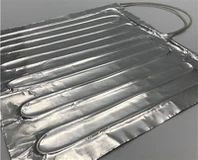
Pipe electric heaters are specialized thermal devices designed for direct application to pipelines, converting electrical energy into controlled heat that is transferred to the contained medium.
Through direct contact with the pipe surface, these systems efficiently raise and maintain the temperature of various substances-including water, oils, chemicals, and gases-across industrial processing, HVAC, and civil infrastructure applications.
Their implementation ensures precise thermal management while preventing freezing, maintaining viscosity, or supporting specific process conditions within fluid transport systems.

Component Structure and Material Selection
A pipe heating system consists of several integrated elements:
- Power Supply Unit: Provides regulated electrical input, typically in standard voltages (120V, 240V, 480V) with appropriate phase configuration
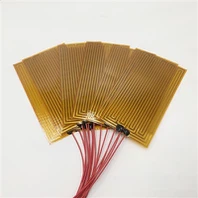
- Heating Core: The primary element commonly employs nickel-chromium (NiCr) or iron-chromium-aluminum (FeCrAl) alloy resistance wires, configured in helical coils or planar grids to optimize heat distribution
- Thermal Interface Layer: High-thermal-conductivity materials (such as magnesium oxide or specialized ceramics) encase the heating wire, ensuring efficient energy transfer to the pipe surface
- Protective Sheath: Durable metal casing (stainless steel, copper, or incoloy) provides mechanical protection, corrosion resistance, and environmental sealing
- Connection Assembly: Junction boxes with terminal blocks enable secure electrical connections while maintaining IP-rated ingress protection
The selection of sheath material and heating wire configuration directly influences performance longevity, particularly in corrosive or high-temperature environments.
Pre-Installation Planning and Specification Matching
Successful implementation requires systematic technical evaluation:
3.1 Dimensional Compatibility Assessment
Measure external pipe diameter and length requiring heating
Account for bends, valves, and supports that may affect heater placement
Verify clearance for installation and future maintenance access
3.2 Performance Parameter Matching
Calculate required wattage based on heat loss, desired temperature rise, and flow characteristics
Match operating voltage to available power supply infrastructure
Select sheath material compatible with both pipe composition and medium properties
Consider environmental factors: ambient temperature range, chemical exposure, moisture levels, and potential mechanical stress
3.3 Control System Integration
Determine appropriate temperature regulation method (thermostat, PID controller, SCADA interface)
Plan sensor placement for accurate temperature feedback
Incorporate safety cutoffs for overtemperature and dry-run protection
Safety Protocols and Operational Procedures
4.1 Electrical Safety Compliance
All installations must comply with local electrical codes (NEC, IEC, or equivalent)
Implement proper grounding and circuit protection appropriate for the operating environment
Use only qualified personnel for installation and electrical connections
4.2 Operational Safety Measures
Never energize the heater before confirming proper installation and medium presence
Maintain clear access to emergency shutoff controls
Display appropriate warning signage indicating high-temperature surfaces
Implement lockout-tagout procedures during maintenance activities
4.3 Temperature Management
Set controllers within the heater's specified temperature range
Monitor system performance during initial operation and after process changes
Implement redundant temperature monitoring for critical applications
Maintenance Guidelines and Performance Monitoring
5.1 Regular Inspection Schedule
- Weekly: Visual check for physical damage, moisture ingress, or connection issues
- Monthly: Verify temperature calibration and controller function
- Quarterly: Test insulation resistance and ground continuity
- Annually: Comprehensive performance evaluation and preventative maintenance
5.2 Cleaning and Preservation
- Keep heating surfaces free of debris, insulation damage, or chemical deposits
- Protect electrical connections from corrosion and environmental contamination
- Maintain clear identification labels and operating documentation
5.3 Performance Documentation
- Record operating temperatures, energy consumption, and maintenance activities
- Track performance trends to identify gradual degradation
- Maintain complete equipment history for lifecycle management
Troubleshooting and System Optimization
Common Operational Issues:
Insufficient Heating:Check for voltage drops, poor thermal contact, insulation damage, or incorrect wattage specification
Overheating:Verify controller calibration, sensor placement, and proper medium flow
Electrical Faults:Test insulation resistance, verify grounding integrity, check for moisture ingress
Uneven Temperature Distribution:Inspect for improper mounting, damaged elements, or flow restrictions
Optimization Strategies:
- Implement zoned heating controls for varying pipeline conditions
- Add supplementary insulation to improve efficiency
- Upgrade to smart controllers with data logging and remote monitoring
- Consider predictive maintenance based on performance analytics
Proper selection, installation, and maintenance of pipe electric heaters ensures reliable performance, energy efficiency, and extended service life.
By following these guidelines and adapting them to specific application requirements, users can achieve optimal thermal management while maintaining the highest standards of operational safety and system reliability.

One-stop Pipe Electric Heaters Factory in China
If you require heating elements, Jaye Heater-as a long-standing manufacturer of heating elements-will assist you with our team of professional technicians and sales personnel.