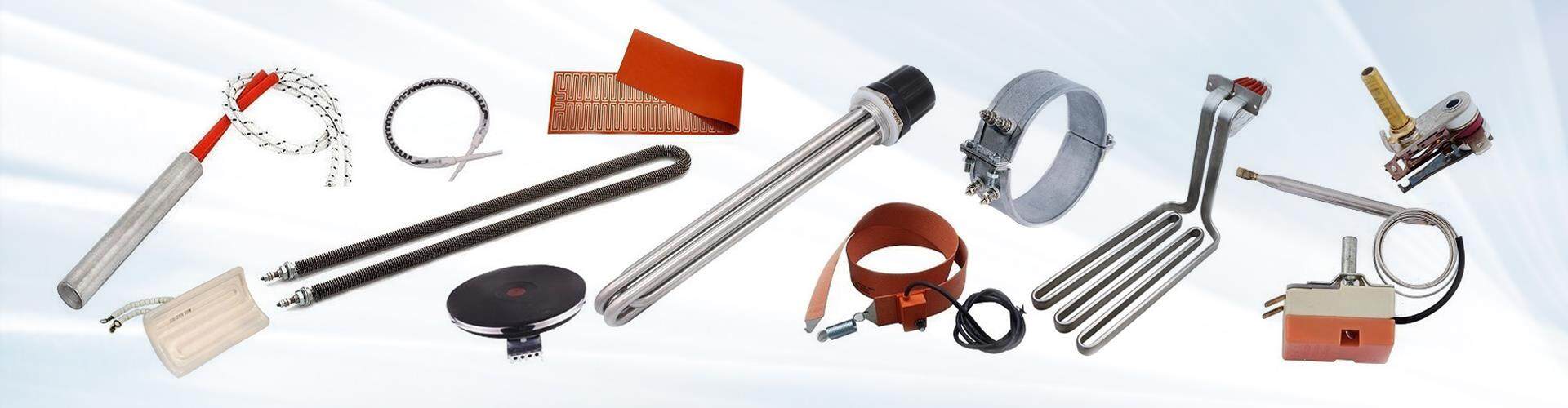
Finned tubular heaters are critical components in industrial heating systems, and their operational longevity directly impacts production efficiency.
By implementing standardized operational procedures and preventive maintenance strategies, users can significantly enhance equipment durability while ensuring process safety.
The following guidelines synthesize key practices for maximizing the performance and service life of these heating elements.

Operational Best Practices
- Maintain complete immersion of heating section in media with terminal connections external to heating zone
- Adhere to voltage parameters within ±10% of rated specifications
- Implement progressive heating for viscous substances using voltage regulation
- Ensure electrical connections are secured with dual-nut system without over-tightening
Maintenance Protocols
- Conduct regular descaling to prevent thermal transfer degradation
- Verify insulation resistance (≥1MΩ/500V) before reactivating stored units
- Execute low-temperature baking (200°C) for moisture elimination when needed
- Select materials compatible with specific heating media characteristics
Safety and Configuration Management
- Maintain clean/dry terminals with explosion-proof sealing for hazardous environments
- Validate manufacturer specifications for medium compatibility before deployment
- Reference installation manuals during initial setup and maintenance interventions

Through systematic implementation of these operational, maintenance and safety guidelines, finned tubular heaters can achieve optimal service life while maintaining thermal efficiency.
The combination of correct installation procedures, routine maintenance checks, and media-compatible operation forms the foundation for reliable long-term performance.
Organizations should integrate these practices into their standard equipment management protocols to maximize return on investment while ensuring operational safety.