Designing a stove coil heater for a domestic kitchen appliance, such as an electric stove, involves various considerations, including electrical specifications, safety features, and overall functionality. Below is a general guide to design a basic stove coil heater for a domestic kitchen appliance. Keep in mind that specific design requirements may vary based on the appliance type and model.
1. Define Requirements: Clearly outline the requirements for the stove coil heater, considering factors such as power rating, size constraints, and compatibility with the domestic kitchen appliance.
2. Select Heating Element Material: Choose a high-resistance alloy wire suitable for the kitchen appliance application. Nichrome is commonly used for its high melting point and resistance to oxidation.
3. Calculate Electrical Specifications: Use Ohm's Law (V = I * R) to calculate the resistance (R) of the heating element based on the desired voltage (V) and current (I). Ensure the electrical specifications align with the power requirements of the domestic kitchen appliance.
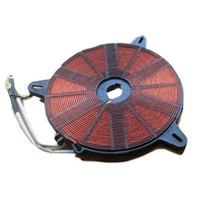
4. Determine Coil Configuration: Decide on the coil configuration based on the size and shape requirements of the kitchen appliance. The coil can be a simple spiral or a more intricate design, depending on the heating pattern needed.
5. Select Insulating Materials: Choose insulating materials to surround the heating element, preventing direct contact with the outer casing.
6. Design the Heating Element Structure: Develop the structure that supports the coil and provides stability for the heating element. Consider using a sturdy metal structure, such as stainless steel, for the coil support.
7. Integrate Safety Features: Implement safety features such as a thermal cut-off switch to prevent overheating. Consider additional safety mechanisms like temperature sensors and fuses to enhance safety during use. Ensure compliance with safety standards for kitchen appliances.
8. Incorporate Temperature Control (Optional): Design a temperature control system if desired, using a thermostat or other temperature-sensing devices. This allows users to adjust the heat output for different cooking needs.
9. Prototype Development: Build a prototype of the stove coil heater for the kitchen appliance. Test its functionality and safety features in various conditions, making adjustments as needed for optimal performance.
10. Testing and Certification: Subject the stove coil heater to thorough testing to ensure it meets safety standards and performs as expected. Seek certification from relevant regulatory bodies to validate compliance with industry standards.
Throughout the design process, it's essential to consult with professionals in electrical engineering, heating appliance design, and safety compliance to ensure that the stove coil heater meets all necessary standards and regulations.

Know More About Stove Coil Heater