To design a lower electric heating tube with an extended lifespan, manufacturers can consider several key factors related to materials, construction, and overall design. Here's how:
1-Use High-Quality, Heat-Resistant Materials:
Utilize durable materials like nichrome for the heating wire and Incoloy or stainless steel for the sheath to resist high temperatures, corrosion, and oxidation.
2-Improve Thermal Distribution:
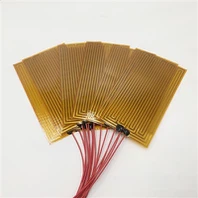
Design the tube to ensure even heat distribution across its surface. Consider using wider tubes or finned surfaces to maximize heat transfer and prevent hotspots.
3-Enhance Insulation and Coating:
Incorporate high-temperature insulation to protect the wire from damage and consider adding a corrosion-resistant or non-stick coating to prevent oxidation and food buildup.
4-Optimize Tube Shape and Size:
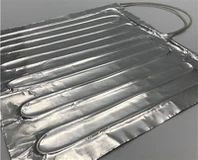
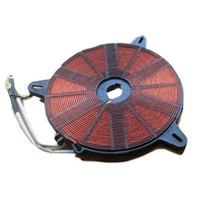
Use U-shaped or spiral designs for better heat distribution and durability. Larger tube diameters can help reduce overheating and extend the tube's lifespan.
5-Reduce Thermal Stress with Controlled Heating:
Design the tube to minimize rapid temperature fluctuations, using better thermostat control and heat management to avoid thermal shock and premature failure.
By focusing on material quality, thermal management, protective coatings, and overall design, manufacturers can create lower electric heating tubes that last longer, perform more efficiently, and are less prone to failure. These design choices can result in both better consumer satisfaction and reduced warranty costs.