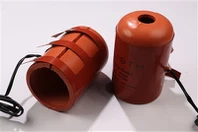
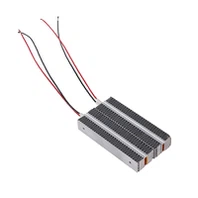
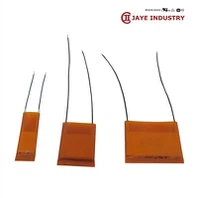
Glass Reinforced Epoxy (GRE) pipes are the highest standard in contemporary industrial piping systems. Companies such as Future Pipe Systems have developed impressive metrics for performance when it comes to durability, corrosion resistance, and weight advantage, in industries such as oil and gas, chemical processing, and marine. These pipes can move aggressive media at elevated pressure, but, like metal pipes, they share an industrial limitation when it comes to temperature sensitivity. For example, many processes require consistent temperature retention/protection against the solidification of the fluid media, viscosity maintenance, or freeze protection in cold environments. Fortunately, advanced silicone rubber heating technology from JAYE offers the best solution to directly apply efficient heat output to GRE pipelines.
1-Why Silicone Rubber Heaters are Uniquely Suited for GRE Pipes
Traditional heating methods like steam tracing or rigid elements often prove problematic for GRE systems. Their inflexibility can create stress points, while complex installation undermines the cost efficiency of GRE pipes. Silicone rubber heaters overcome these limitations through several key advantages:
1)Perfect Conformability: These heaters flex to wrap tightly around any pipe diameter, including elbows, tees, and valves. This ensures complete surface contact for maximum heat transfer without creating stress concentration points.
2)Corrosion Resistance: The stainless steel mesh and impregnated silicone rubber construction withstands harsh chemicals, moisture, and UV exposure, matching the corrosion-resistant profile of the GRE pipes they heat.
3)Minimal Weight Impact: Adding almost negligible weight, these heaters preserve the critical lightweight advantage that makes GRE pipes preferable to steel in many applications.
4)Precision Engineering: Custom watt density calculations ensure the heater provides exactly the required heat output without risking damage to the temperature-sensitive GRE substrate.
2-Implementation Guide: Integrating Heat with Precision
Successfully adding heating capability to GRE pipes requires methodical planning and execution across three critical phases:
Phase 1: Comprehensive Thermal Assessment
Begin by quantifying your thermal management needs through key parameters:
Target maintenance temperature (for process requirements)
Minimum ambient temperature (for freeze protection)
Insulation type and thickness (critical for heat loss calculations)
Startup time requirements (how quickly the system must reach temperature)
This data enables JAYE engineers to determine the optimal watt density and heating element pattern to achieve your goals while protecting the GRE material from thermal degradation.
Phase 2: Collaborative Customization
At JAYE, we transform thermal requirements into precisely engineered solutions through:
Dimensional Tailoring: Creating heaters that match your exact pipe configurations, including custom-cut holes for fixtures and access points.
Integrated Monitoring: Embedding temperature sensors directly into the heater assembly for real-time thermal management and control system integration.
Connection Engineering: Providing environmentally sealed electrical terminations rated for your specific operational environment, including hazardous areas.
Phase 3: Optimized Installation Practice
Proper installation ensures long-term performance and reliability:
Surface preparation using appropriate cleaners to ensure the GRE surface is contaminant-free
Application of the heater using either pressure-sensitive adhesive for permanent bonding or mechanical fixation for high-temperature applications
Installation of insulation jackets specifically designed to accommodate the heater profile while minimizing thermal losses
Integrating silicone rubber heaters represents the most technically advanced approach to temperature management for high-performance GRE piping systems. This solution preserves all the inherent advantages of GRE pipes while adding crucial thermal control capabilities. The result is expanded application potential and enhanced operational reliability for your fluid transport systems.
JAYE provides more than heating elements - we deliver complete thermal management partnerships. Our engineering team works directly with your designers to create optimized heating solutions that meet your exact operational requirements while ensuring compatibility with Future Pipe-grade GRE systems.
Contact JAYE today to schedule a technical consultation. Let our heating specialists help you design and implement the ideal thermal solution for your next GRE piping project.