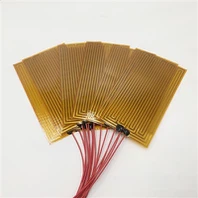
The time it takes for a square hot plate to heat up to the desired temperature can vary significantly based on several factors, including the power of the hot plate, the material and thickness of the plate, the desired temperature, and the environment in which the hot plate is used.
Generally, higher-powered hot plates will heat up more quickly than lower-powered ones. For example, an industrial-grade hot plate used in laboratories can heat up faster than a hot plate designed for home use. Additionally, hot plates made of materials with high thermal conductivity, such as cast iron or certain types of stainless steel, can heat up more quickly than plates made of materials with lower thermal conductivity.
The desired temperature also plays a role. If you're looking to reach a very high temperature, it may take longer for the hot plate to heat up compared to a lower temperature setting.
Lastly, the environment in which the hot plate is used matters. If the surrounding temperature is very cold, it might take longer for the hot plate to reach the desired temperature.
For specific information about how quickly a particular square hot plate heats up to a specific temperature, it's best to refer to the manufacturer's specifications or user manual that typically provides guidelines on heating times and temperatures for the specific model you are using.