How PTC Heater Works For Blood Tube Drying?
The Core Problem: Why Blood Tubes Need Drying
After a blood sample is collected in a vacuum tube, a small amount of blood or condensation can remain on the exterior of the tube. This is a problem because:
Biohazard Risk: It poses an infection risk to laboratory staff who handle the tubes.
Labeling Issues: Moisture prevents specimen labels from adhering properly, which can lead to the label falling off or becoming unreadable-a major patient safety issue.
Cross-Contamination: Tubes can stick together or contaminate adjacent tubes in a rack or analyzer.
Instrument Damage: Moisture can cause corrosion or short circuits in sensitive and expensive automated analyzers.

How a PTC Heater is Used for This Task
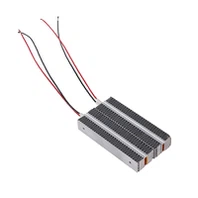
A PTC heater for this purpose is typically a small, flat, ceramic-based heating element integrated into a rack or a stand. The process is simple:
Placement: A lab technician places the blood tube upright onto or into the heated slot/port.
Heating: The PTC heater gently warms the exterior bottom and sides of the tube.
Evaporation: The low, consistent heat causes any external moisture to evaporate quickly, typically within 10-30 seconds.
Removal: The tube is now dry, safe to handle, and ready for labeling and processing.

Why PTC Heaters Are Ideal for This Application
This is where the unique properties of PTC technology make it superior to conventional wire-wound heaters.
1. Self-Regulating Temperature & Inherent Safety
This is the most critical advantage.
How it Works: A PTC heater's electrical resistance increases dramatically as it reaches a specific temperature (its "Curie point"). This means it draws less current and automatically reduces its heat output.
Benefit for Blood Tubes: The heater will not overheat, even if a tube is left on it indefinitely.
It cannot melt the plastic of the blood tube.
It will not overheat the blood sample inside. The heating is brief and localized to the tube's exterior, and the self-limiting temperature (e.g., 60-80°C) is well below levels that would damage most blood components for the short exposure time.

2. Even Heat Distribution
PTC ceramic elements heat evenly across their entire surface.
Benefit: This ensures the entire bottom circumference of the tube is warmed uniformly, leading to fast and efficient drying without cold spots.
3. Energy Efficiency
Since the heater only draws significant power while it's heating up to its target temperature, it consumes very little electricity once warm and is highly efficient for intermittent use.
4. Compact and Reliable Design
PTC elements can be made very small and flat, allowing them to be easily integrated into benchtop drying stations with multiple ports. They have no moving parts and are very long-lasting.