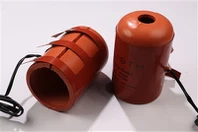
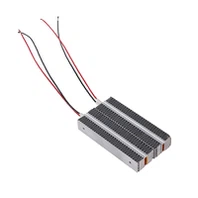
The lifespan of a typical flange heater can vary widely depending on several factors, including the quality of the heater, the operating conditions, and how well it is maintained. In general, flange heaters are designed to be durable and have a relatively long lifespan. They are often used in industrial applications for heating liquids and gases in tanks and pipelines.
Here are some factors that can affect the lifespan of a flange heater:
1. Quality: The quality of the materials and construction of the heater can have a significant impact on its lifespan. Higher-quality heaters made from corrosion-resistant materials like stainless steel tend to last longer.
2. Operating Conditions: The operating conditions, such as the temperature and pressure of the fluid being heated, can influence the lifespan of the heater. Extreme conditions may lead to faster wear and tear.
3. Maintenance: Regular maintenance, such as cleaning and inspecting the heater, can help extend its lifespan. Neglecting maintenance can lead to premature failure.
4. Usage: The frequency and duration of use can also affect how long a flange heater lasts. Heaters used continuously or in demanding applications may wear out faster than those used intermittently.
5. Corrosion: Corrosion can be a major factor in the degradation of flange heaters, especially if they are used with corrosive fluids. Proper material selection and corrosion protection measures can mitigate this.
6. Electrical Stress: Overloading or operating the heater beyond its design specifications can shorten its lifespan. It's important to follow the manufacturer's guidelines for proper usage.
7. Vibration and Mechanical Stress: If the heater is subjected to excessive vibration or mechanical stress, it can lead to premature failure.
Given these variables, it is difficult to provide a specific number of years for the lifespan of a typical flange heater. Some well-maintained and properly used flange heaters can last for many years, even decades, while others may need replacement sooner. It's important to consult the manufacturer's documentation and guidelines for the specific heater you are using and to monitor its condition regularly to ensure it continues to operate safely and efficiently.