Silicone rubber heaters are commonly used in heat sealers for their flexibility, durability, and efficient heat distribution. Here's how they work in a heat sealer:
1. Structure and Design
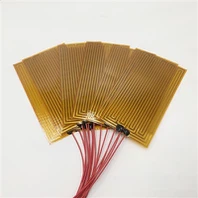
Silicone rubber heaters consist of a thin, flexible silicone rubber layer embedded with heating elements. These elements are typically made from metal or conductive materials and are evenly distributed within the silicone layer. The heater is designed to conform to the shape of the heat sealing plates or bars in the sealer. Silicone rubber's high-temperature resistance and flexibility make it ideal for this application.
2. Heating Process
In a heat sealer, silicone rubber heaters are usually attached to the sealing surfaces, such as the sealing bars or plates. When the heater is powered on, electrical current flows through the heating elements, generating heat. This heat is conducted through the silicone rubber layer and transferred to the sealing surfaces.

3. Temperature Control
Temperature control is crucial for achieving consistent and effective sealing. Silicone rubber heaters are often equipped with temperature sensors and controllers that monitor and regulate the temperature of the sealing surfaces. The sensors provide real-time temperature data to the control system, which adjusts the power supplied to the heater to maintain the desired temperature for proper sealing.
4. Sealing Process
The heat sealer uses the heat generated by the silicone rubber heater to apply heat and pressure to the materials being sealed. The materials, typically plastic films or bags, are placed between the sealing bars. When the heater reaches the desired temperature, the sealing bars come together, applying heat and pressure to the material. This melts the plastic and creates a strong, hermetic seal.
5. Durability and Efficiency
Silicone rubber heaters are designed to be durable and maintain performance over extended periods. The flexibility of silicone allows the heater to conform to different shapes and sizes of sealing surfaces, ensuring even heat distribution. This results in efficient energy use and consistent sealing quality.
6. Safety Features
Silicone rubber heaters include safety features such as over-temperature protection and insulation to prevent accidental burns and ensure safe operation. They are also resistant to moisture and chemicals, enhancing their reliability in various industrial environments.
Conclusion
Silicone rubber heaters are integral to heat sealers, providing flexible, durable, and efficient heating for the sealing process. By ensuring precise temperature control and even heat distribution, these heaters contribute to the consistent and effective sealing of materials, enhancing the performance and reliability of the heat sealer.