Plug-in temperature regulators are user-friendly devices that help home brewers maintain precise temperature control during the brewing process, which is critical for achieving consistent and high-quality results. Here's how they work:
1. Plug-and-Play Design
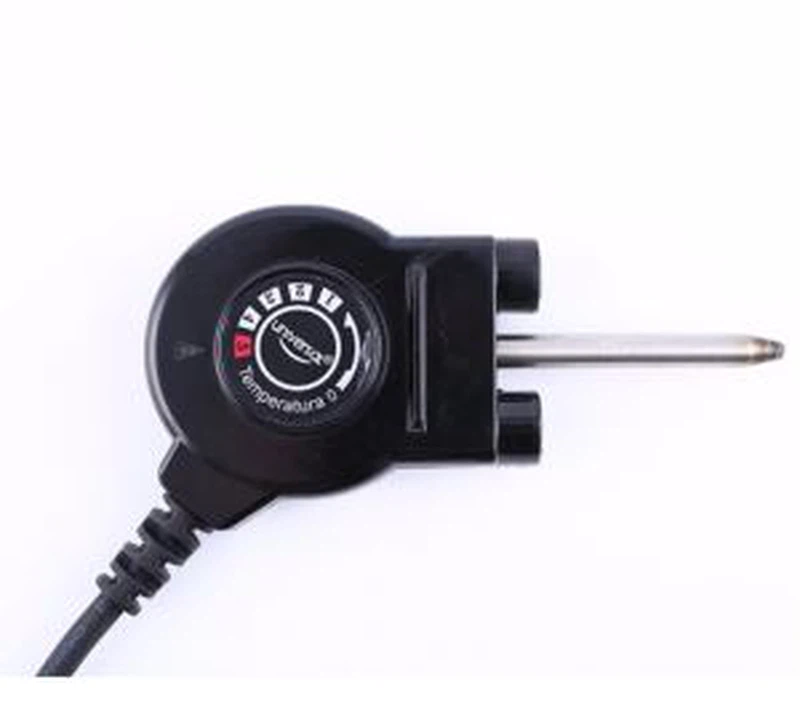
These regulators typically consist of a power outlet, a digital temperature controller, and a temperature probe.
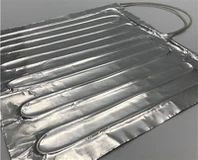
The brewing equipment (e.g., a heating pad, fermentation chamber, or kettle) plugs directly into the regulator's outlet.
2. Temperature Monitoring
The temperature probe is placed inside the brewing environment, such as within the fermentation vessel or in contact with the liquid.
The probe continuously monitors the temperature and sends real-time data to the controller.

3. Automatic Heating and Cooling
Users set a desired temperature range on the regulator. For example, maintaining a fermentation temperature of 68°F (20°C) for ale yeast.
If the temperature drops below the set point, the regulator powers the connected heating device to warm the environment.
If a cooling function is available, the regulator can also activate a cooling device when temperatures exceed the set limit.
4. Precision Control
Most plug-in temperature regulators use advanced algorithms, such as PID (Proportional-Integral-Derivative) control, to avoid rapid fluctuations or overshooting the target temperature.
This ensures a stable temperature for processes like fermentation or mash preparation.
5. Safety Features
Many models include built-in safeguards, such as overload protection or temperature alarms, to prevent damage to equipment or spoilage of the brew.
Applications in Home Brewing
Fermentation: Maintaining a steady fermentation temperature is crucial for flavor profile consistency and yeast health.
Mashing: For all-grain brewing, a regulator ensures the mash stays within the desired enzymatic activity range.
Cold Crashing: Some models can control refrigerators or cooling devices for cold-crashing the beer before bottling.
Benefits of Plug-In Temperature Regulators
Ease of Use: Simple to set up without requiring hardwired connections or extensive knowledge.
Versatility: Compatible with various heating and cooling devices.
Consistency: Eliminates guesswork and ensures precise temperature control for every batch.