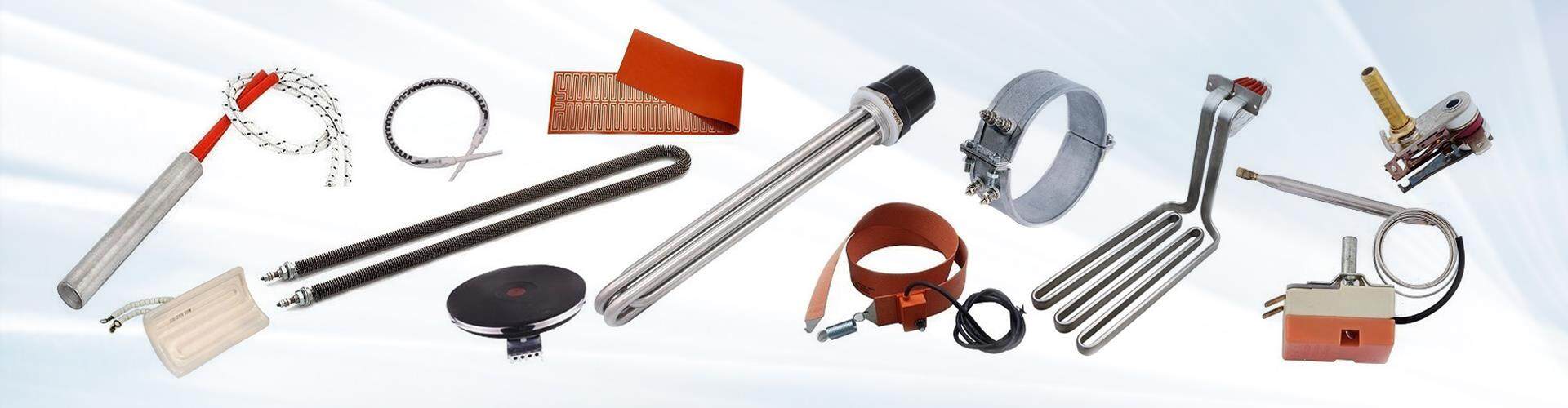
Melt blown air heaters are integral to the mask-making process, particularly in producing high-quality melt-blown nonwoven fabric used in masks. These heaters ensure that the air used to melt and process the polymer fibers is at the precise temperature required for effective and consistent mask production. Here's how they work:
1. Structure and Design
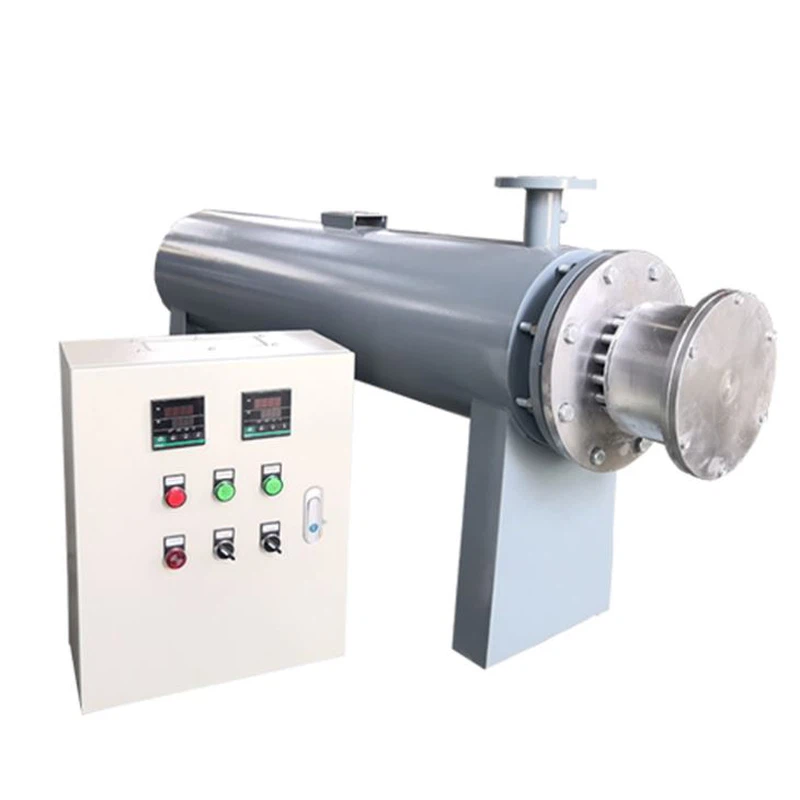
A melt blown air heater consists of an electric heating element housed in a metal sheath, often made from stainless steel or other heat-resistant materials. The heater is integrated into the air delivery system of the mask-making machine. The heating element converts electrical energy into heat, which is then transferred to the air flowing through the heater.
2. Air Flow through the Heater
In the mask-making process, the melt blown air heater is positioned within the air ducts or pipelines that supply air to the melt-blowing machine. As air passes through the heater, it flows over or around the heating element. The heat generated by the element warms the air to the required temperature.
3. Temperature Control
Precise temperature control is crucial for the quality of the melt-blown fabric. The air heater is typically equipped with temperature sensors and controllers to monitor and regulate the air temperature. Maintaining the correct temperature ensures that the polymer is properly melted and can be blown through fine nozzles to form fibers.
4. Heating and Fiber Formation
The heated air from the air heater is used to melt polymer pellets, which are then forced through fine nozzles to produce microfibers. The temperature of the air affects the viscosity and consistency of the polymer melt, impacting the quality and performance of the resulting mask material.
5. Safety and Efficiency
Melt blown air heaters are designed with safety features such as overheat protection and thermal cutoffs to prevent overheating and ensure reliable operation. They are also engineered for energy efficiency to minimize operational costs while maintaining high performance.
Conclusion
Melt blown air heaters are essential in the mask-making process, providing precise and efficient heating of air. This ensures that the polymer fibers are properly melted and formed, resulting in high-quality melt-blown fabric used in masks. The heaters' ability to maintain exact temperatures and integrate seamlessly into the mask-making machine is critical for achieving consistent and reliable results.