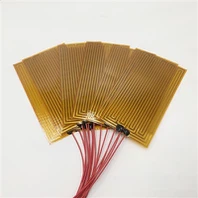
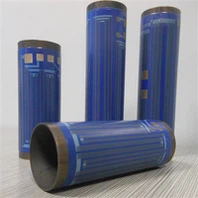
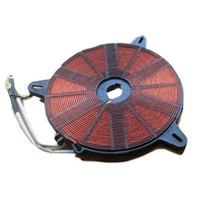
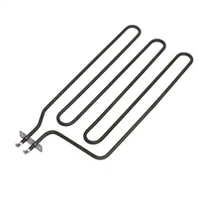
Working Process of Ceramic Insulated Finned Channel Strip Heaters
Heat Generation: The ceramic insulated finned channel strip heater generates heat through an internal high-resistance wire, usually made from alloys like nichrome. When an electric current flows through this wire, it produces heat due to electrical resistance. This heat is transferred to the ceramic insulation that surrounds the heating element, which serves as both a heat diffuser and a protective layer.
Efficient Heat Transfer: The ceramic material plays a crucial role in evenly distributing the heat generated by the heating element. This even distribution helps prevent localized hotspots that could otherwise damage the mold or lead to inconsistent material curing. The ceramic insulation also acts as a thermal barrier, reducing heat loss to the surrounding environment and directing the heat efficiently toward the fins.
Heat Distribution through Fins: The heat generated in the ceramic core is rapidly transferred to the fins attached to the strip heater. These metal fins, typically made of materials like aluminum or stainless steel, significantly increase the surface area of the heater. This enhanced surface area allows for a quicker and more uniform transfer of heat to the mold, ensuring that the entire mold reaches the desired temperature evenly.
Temperature Control in Mold Machinery: Precise temperature control is essential in mold machinery to ensure the consistent quality of molded products. Ceramic insulated finned channel strip heaters are often integrated with temperature control systems, such as thermostats or sensors, that continuously monitor and adjust the heating levels. This feedback mechanism ensures that the mold temperature remains stable, preventing overheating or underheating, which can affect the quality of the final product.
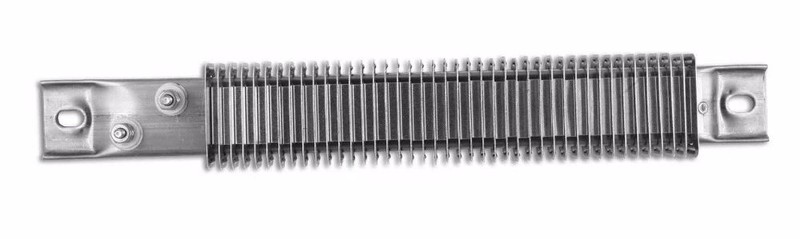
Rapid Heating and Cooling Cycles: In mold machinery, it's crucial to have fast heating and cooling cycles to maintain production efficiency. The ceramic insulated finned channel strip heater enables rapid heating due to its efficient design, which quickly brings the mold to the required temperature. When the heating is turned off, the ceramic insulation also aids in the quick dissipation of residual heat, allowing the mold to cool down faster. This capability is essential for applications that require frequent temperature changes or multiple molding cycles.
Durability and Long Service Life: The ceramic insulation provides an additional layer of protection for the heating element against mechanical stress, chemical corrosion, and moisture. This durability ensures that the heater can withstand the demanding conditions of industrial molding processes. As a result, the heater has a long service life, reducing downtime and maintenance costs for the machinery.
Conclusion
Ceramic insulated finned channel strip heaters in mold machinery are essential for providing precise temperature control and uniform heat distribution. Their efficient heat generation, rapid response to temperature changes, and durable construction make them ideal for maintaining consistent mold temperatures, enhancing the quality and efficiency of the molding process. This reliable heating solution supports the high demands of modern industrial molding applications, delivering both performance and cost-efficiency.