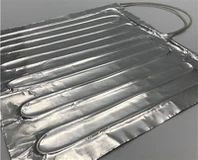
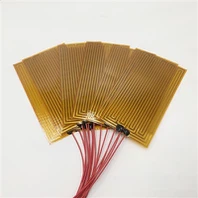
The cast-in aluminum KNE (Knuckle Elbow) head is a component commonly used in HVAC (Heating, Ventilation, and Air Conditioning) systems, particularly in applications requiring precision heating and temperature control. These components are often utilized in duct heating, air handling units, and other industrial heating applications. Here's a breakdown of the working process and how these components are typically integrated into HVAC systems:
Design and Construction
Material Selection:
Aluminum is chosen for its excellent thermal conductivity, lightweight properties, and resistance to corrosion. It allows for efficient heat transfer while maintaining structural integrity.
Heating Elements: Nichrome wire or other suitable heating elements are embedded within the aluminum casting to provide the necessary heat output.
Casting Process:
Mold Creation: A mold is designed to shape the aluminum into the desired knuckle elbow form, which allows for optimal airflow and heat distribution.
Casting: Molten aluminum is poured into the mold, embedding the heating elements within the aluminum structure. The casting process ensures that the heating elements are securely encased and protected.
Finishing:
After the casting, the component is cooled and removed from the mold.
Any excess material is trimmed, and the surface may be finished or coated for additional protection against environmental factors.

Integration into HVAC Systems
Installation:
The cast-in aluminum KNE head is installed within the ductwork or air handling unit, typically at a point where heat is required to be introduced into the airflow.
The component is connected to the electrical supply to power the embedded heating elements.
Functionality:
Heating: When activated, the heating elements within the cast-in aluminum KNE head generate heat. Due to the high thermal conductivity of aluminum, heat is efficiently transferred to the airflow passing through or over the component.
Temperature Control: The system often includes thermostats or temperature sensors that monitor and regulate the temperature to ensure precise control of the heated air.
Airflow Management: The knuckle elbow design helps direct and manage airflow, ensuring even distribution of heat throughout the duct or system.
Control Systems:
Thermostatic Control: Allows for setting desired temperature levels, enabling automated on/off cycling of the heating elements to maintain consistent temperature.
Safety Features: These may include overheat protection, fuses, and fail-safes to prevent overheating and ensure safe operation.
Maintenance:
Regular maintenance may be required to ensure the heating elements are functioning correctly and that there is no buildup of dust or debris that could affect performance.
The integrity of electrical connections and the condition of the aluminum surface should also be periodically checked.
Applications
Duct Heaters: Used to preheat air in ducts for commercial and industrial buildings.
Air Handling Units: Integrated into systems that require precise temperature control of the air.
Industrial Processes: Used in manufacturing processes that require controlled heating of materials or environments.
Advantages
Efficient Heat Transfer: Aluminum's thermal properties allow for quick and efficient heating.
Durability: The cast-in design protects the heating elements, providing a long service life.
Compact Design: The knuckle elbow shape fits well into complex ductwork systems, optimizing space usage.