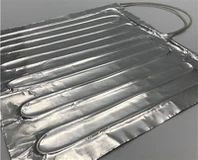
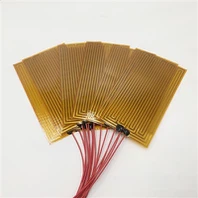
Silicone rubber heaters are flexible, versatile heating elements used in various industrial and commercial applications. To prevent heat loss and improve energy efficiency, they are typically insulated in several ways:
1-Silicone Rubber Material: Silicone rubber itself provides a certain degree of insulation. It is a thermally stable material that can withstand high temperatures without significant heat loss. The silicone rubber heater's base material is often selected for its insulating properties.
2-Insulation Layer: Many silicone rubber heaters have an additional insulation layer on the side opposite the heating element. This layer can consist of materials like fiberglass or silicone sponge to provide thermal insulation. It helps direct heat toward the target area and reduces heat loss to the surroundings.
3-Thermal Insulation Blankets: For applications requiring even higher levels of insulation, thermal insulation blankets or jackets can be added over the silicone rubber heater. These blankets are made of materials with excellent insulating properties, such as ceramic fiber or high-temperature insulation materials. They are custom-fitted to the heater and held in place with straps or fasteners.
4-Enclosures and Casings: Some silicone rubber heaters are enclosed within metal or plastic casings or enclosures. These casings can provide additional protection and insulation. They also help direct heat towards the desired area and prevent heat loss to the surroundings.
5-Heat Reflective Layers: In situations where maintaining heat within a specific area is critical, a heat-reflective layer may be added to the insulation. This layer reflects heat back toward the target, reducing heat loss.
6-Thermal Barriers: In some applications, thermal barriers or shields may be placed around the silicone rubber heater to prevent heat from dissipating into unwanted areas. These barriers can be made of materials like metal or high-temperature insulation.
7-Gaskets and Seals: Properly sealing the edges of the silicone rubber heater against the target surface can help prevent heat loss and ensure efficient heat transfer to the intended area.
8-Optimized Design: The design of the silicone rubber heater itself plays a role in minimizing heat loss. Uniform distribution of the heating element and efficient wiring patterns can reduce hotspots and improve overall efficiency.
9-Control Systems: Implementing precise temperature control systems can help maintain the desired temperature, preventing excessive heating and reducing energy waste.
10-Regular Maintenance: Regularly inspecting and maintaining the silicone rubber heater, including checking for any damage to the insulation layers or enclosures, is essential for long-term efficiency.