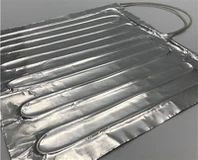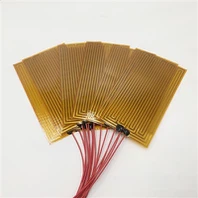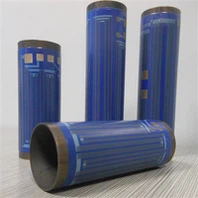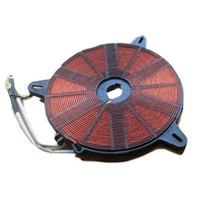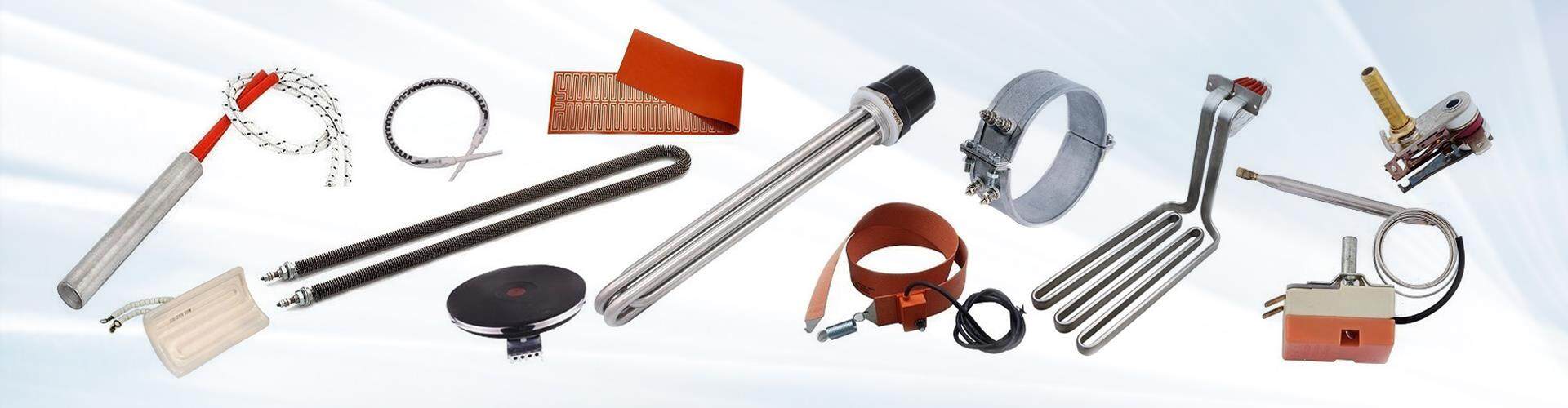
Flexible ceramic heater pads are commonly used in ceramic kilns due to their efficient and consistent heat distribution. These pads offer several advantages when it comes to high-temperature applications like firing ceramics. Here's how they work:
Material Composition: Flexible ceramic heater pads are typically made of ceramic fibers or other heat-resistant materials that can withstand extreme temperatures, often ranging from 300°C to 1000°C or higher. The flexibility allows them to be easily integrated into kiln walls or wrapped around objects.
Heat Generation: The heating element in these pads is usually a type of electric resistance wire (like nichrome or other alloys) embedded within the ceramic material. When electricity flows through the resistance wire, it heats up, generating thermal energy.

Heat Distribution: Unlike traditional heating coils or elements, which may have hotspots or uneven heat distribution, the flexible ceramic heater pads provide a more uniform heat across their surface. This is particularly important in kilns, where consistent temperature control is critical for uniform firing of ceramics.
Thermal Insulation: The ceramic fibers used in these pads not only serve as heating elements but also act as thermal insulators. This helps to maintain high temperatures inside the kiln while minimizing heat loss, making the kiln more energy-efficient.
Customization: Flexible ceramic heater pads can be custom-designed to fit specific kiln shapes and sizes. Their flexibility allows them to be shaped around the interior walls or placed in tight spots within the kiln, improving overall heat coverage.

Durability: These pads are designed for high temperatures and can handle the rapid heating and cooling cycles typical in ceramic kilns without degrading or losing efficiency. They can last for years, especially when properly maintained.
Control: Many ceramic kilns using flexible heater pads come with advanced temperature control systems that allow precise regulation of the heat. This ensures that the kiln maintains the correct firing temperature for various stages of ceramic production.

Key Benefits:
Energy Efficiency: Flexible ceramic heater pads improve heat retention, which means less energy is required to maintain the necessary temperatures.
Consistent Temperature: Ensures even heat distribution, preventing under- or over-fired ceramics.
Space-saving: Their flexibility allows for space optimization within kilns, especially those with irregular shapes.