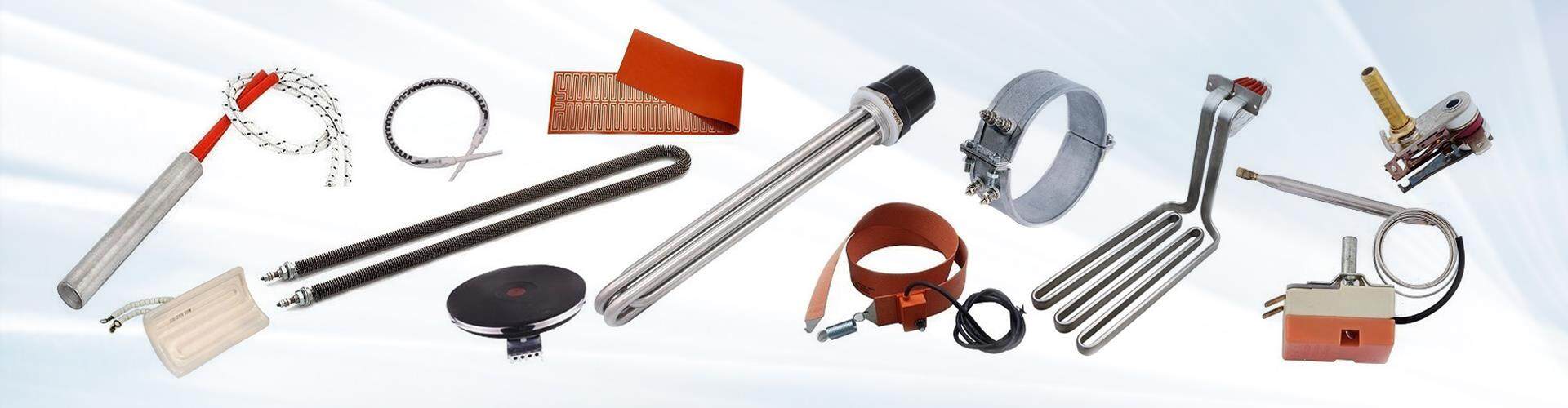
Mica heating elements are generally considered to be energy-efficient compared to many other heating technologies. However, the actual energy efficiency of a heating element depends on various factors, including the design of the specific heating device, the insulation, and the control systems in place. Here's a comparison of mica heating elements with other common heating technologies to provide a better understanding of their energy efficiency:
1. Mica Heating Elements:
Pros: Mica heating elements are known for their quick response time and ability to provide even and consistent heat. They have a relatively high energy efficiency, especially when used in well-designed appliances with efficient insulation.
Cons: If not properly designed or controlled, mica heating elements can experience heat loss and reduced efficiency.
2. Infrared Heating:
Pros: Infrared heating technology directly heats objects and people in a room, rather than heating the air. This targeted heating can be energy-efficient as it avoids heating unused spaces.
Cons: Infrared heaters can be less efficient in poorly insulated areas, as heat loss through walls and windows can offset their energy-saving benefits.
3. Electric Resistance Heating:
Pros: Electric resistance heaters, including mica heating elements, convert nearly 100% of the electricity they consume into heat. They are easy to control and suitable for localized heating.
Cons: The efficiency of electric resistance heating can be affected by heat loss through conduction, convection, and radiation. Proper insulation and control mechanisms are crucial to maximizing efficiency.
4. Heat Pumps:
Pros: Heat pumps are highly efficient heating systems, as they transfer heat from the outside environment to inside a building. They can provide more heat energy than the electricity they consume, making them energy-efficient in moderate climates.
Cons: Heat pumps may become less efficient in extremely cold temperatures, requiring backup heating systems.
5. Gas and Oil Heating:
Pros: Gas and oil heating systems can be efficient and cost-effective, especially in regions where natural gas or oil prices are relatively low.
Cons: These systems are not as clean as electric heating options and can produce emissions. They also require proper ventilation systems, and their efficiency depends on regular maintenance.
In summary, mica heating elements can be energy-efficient when integrated into well-designed appliances and heating systems. However, the overall energy efficiency also depends on the specific application, insulation, control mechanisms, and user behavior. It's essential to consider these factors and choose the right heating technology tailored to the particular requirements of the space or application to ensure optimal energy efficiency.