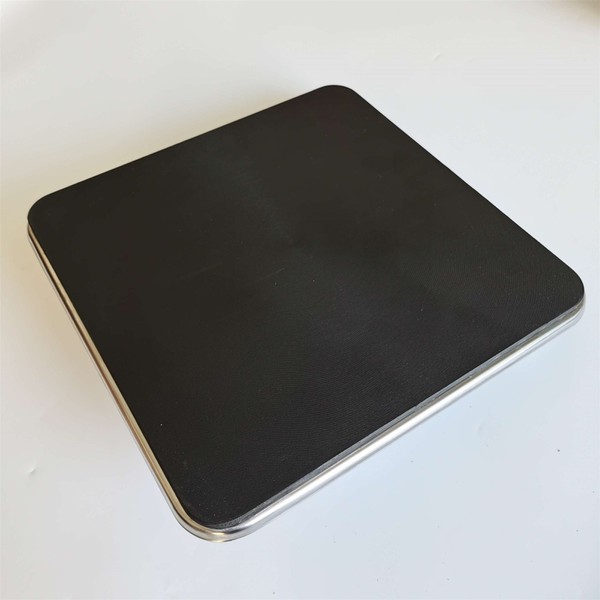
Cleaning and maintaining a marine square hot plate on a ship can vary in ease based on its design and the materials used. However, marine hot plates are generally designed with features that make cleaning and maintenance as straightforward as possible, given the constraints of a ship's environment.
1-Smooth Surfaces: Marine square hot plates often have smooth surfaces, making them easier to clean. Flat, seamless designs minimize crevices where dirt and debris can accumulate.
2-Removable Components: Some marine square hot plates have removable components like drip trays or grates that can be taken off for cleaning. This allows for thorough cleaning and prevents the buildup of residues.
3-Stainless Steel Construction: Many marine hot plates use stainless steel, which is not only corrosion-resistant but also easy to clean. Stainless steel surfaces can be wiped down and sanitized efficiently.
4-Non-Stick Coatings: Certain marine square hot plates feature non-stick coatings on their surfaces, making it easier to clean off stubborn food residues. These coatings reduce the need for heavy scrubbing.
5-Water-Resistant Design: Marine square hot plates are often designed to be water-resistant or waterproof. This feature prevents water from seeping into electrical components during cleaning, ensuring safety and longevity.
6-Regular Maintenance: Implementing a regular cleaning schedule is crucial. By cleaning the marine square hot plate after each use and conducting routine maintenance checks, minor issues can be addressed before they become major problems.
7-Proper Ventilation: Adequate ventilation in the galley area helps in dissipating steam and odors. Proper ventilation not only improves the working environment but also prevents the buildup of grease and grime on the hot plate.
8-Cleaning Supplies: Ships typically stock cleaning supplies suitable for marine equipment. Using the right cleaning agents and tools ensures effective cleaning without damaging the hot plate's surface.
While marine hot plates are designed for ease of cleaning, it's essential for the ship's crew to follow the manufacturer's cleaning and maintenance guidelines. Regular inspections and adherence to recommended cleaning practices prolong the hot plate's lifespan and ensure it operates safely and efficiently on the ship.