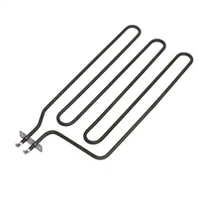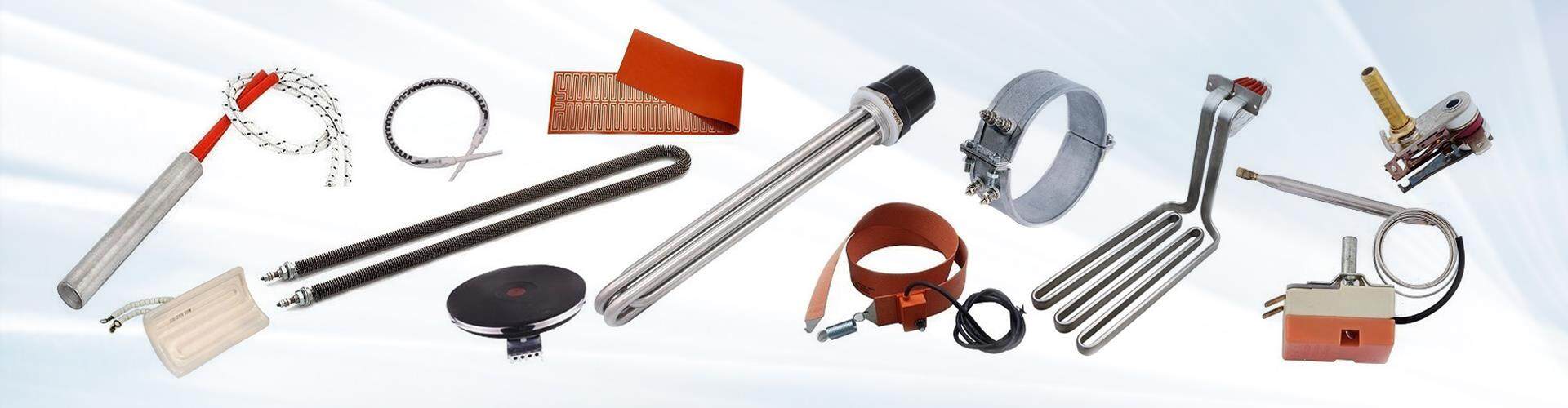
The watt density of a lower heating tube-defined as the power output (watts) per unit of surface area (watts per square inch)-directly influences its efficiency, performance, and lifespan in an electric oven. Here's how:
1. Heat Transfer Efficiency
Low Watt Density:
Generates moderate heat over a larger surface area, promoting uniform heat distribution.
Ideal for baking delicate items, as it prevents hotspots and ensures even cooking.
Minimizes heat loss, improving overall energy efficiency.
High Watt Density:
Concentrates heat in a smaller area, resulting in rapid heating.
Best for tasks requiring quick temperature rises, such as broiling or roasting.
May lead to localized overheating, reducing energy efficiency if the heat isn't well-distributed.
2. Energy Consumption
Optimized Watt Density:
A heating tube with appropriate watt density consumes energy efficiently by delivering the right amount of heat for the oven's size and application.
An improperly matched watt density (too high or too low) can result in energy waste due to uneven cooking or extended heating times.
3. Baking and Cooking Quality
Low Watt Density for Gentle Cooking:
Prevents scorching or uneven browning in baked goods.
Maintains stable oven temperatures, ideal for consistent results in bread or pastries.
High Watt Density for Intense Heat:
Provides quick cooking but can lead to overcooked edges or undercooked centers if heat isn't evenly distributed.
4. Durability and Longevity
Low Watt Density:
Reduces the risk of thermal stress and overheating, prolonging the heating tube's lifespan.
Better suited for continuous or prolonged use in commercial ovens.
High Watt Density:
May cause rapid wear or burnout, especially if the tube material cannot withstand the concentrated heat.
5. Application-Specific Efficiency
Commercial Ovens:
Typically benefit from low to moderate watt density for durability and consistent performance over long baking cycles.
Residential Ovens:
Often use higher watt densities to achieve faster preheating times and accommodate varying cooking styles.
6. Safety Considerations
Low Watt Density:
Operates at lower surface temperatures, reducing the risk of accidental burns and enhancing safety.
High Watt Density:
Higher surface temperatures can increase risks of overheating or damage to surrounding components if not properly controlled.