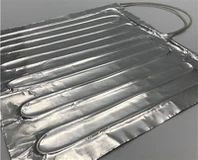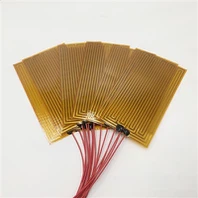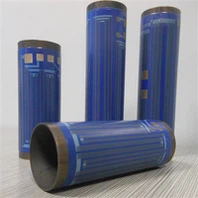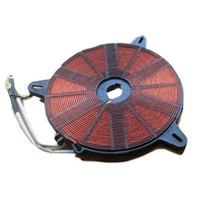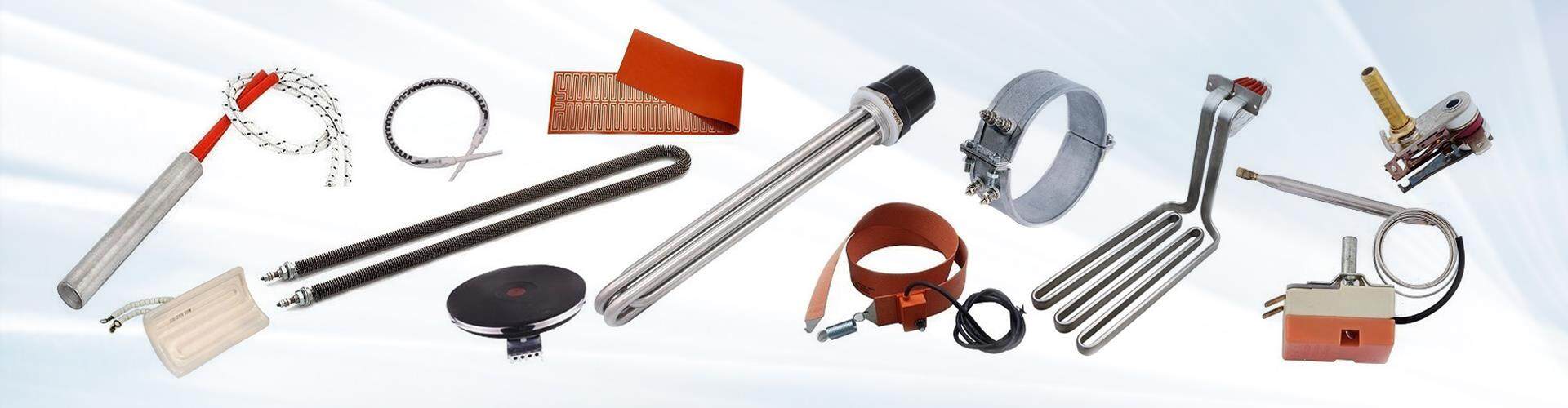
The heating element inside a silicone rubber heater is designed to distribute heat evenly across its surface using various methods. The goal is to ensure that the entire surface area of the silicone rubber heater receives consistent heat, providing uniform heating for the target object or surface. Here's how the heating element achieves even heat distribution:
Wire-Wound Heating Elements: One common type of heating element used in silicone rubber heaters is a wire-wound resistor. The wire is wound in a specific pattern or layout, ensuring that the heat is evenly spread across the heater's surface. The spacing and density of the wire windings can be carefully controlled to achieve uniform heat distribution.
Etched-Foil Heating Elements: Another approach is to use etched-foil heating elements, where a thin metal foil is chemically etched to create a specific circuit pattern. The etched-foil design allows for precise control over the heat distribution, ensuring uniform heating across the silicone rubber surface.