The design of a lower heating tube significantly impacts the baking performance of an electric oven by influencing heat distribution, energy efficiency, durability, and overall cooking results. Here's a detailed breakdown:
1. Heat Distribution
Shape and Layout:
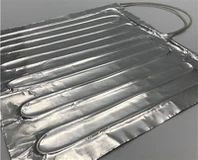
A U-shaped or serpentine design provides more even heat coverage, reducing hotspots and ensuring consistent baking.
Straight or single-loop designs might lead to uneven heating, affecting baking outcomes.
Placement:
Optimal positioning of the heating tube ensures uniform heat transfer to the oven cavity and food surface.
Distance from Baking Tray:
A carefully designed gap between the tube and the baking surface prevents overcooking or burning of food close to the tube.
2. Watt Density
Low Watt Density:
Spreads heat more evenly across the tube's surface, suitable for delicate baking tasks like pastries.
High Watt Density:
Provides intense heat, ideal for applications requiring quick heating but may lead to uneven results if poorly managed.
3. Material Choice and Durability
Material Conductivity:
High-conductivity materials like Incoloy or stainless steel ensure rapid heat transfer and stable performance.
Corrosion Resistance:
Durable materials maintain consistent heat output over time, preventing performance degradation.
4. Energy Efficiency
A well-designed heating tube minimizes energy loss by optimizing thermal transfer, ensuring energy is directed effectively to baking rather than wasted.
5. Heat-Up and Cool-Down Rates
Rapid Heating:
Improves preheating time and responsiveness to temperature adjustments.
Controlled Cooling:
Avoids thermal shock, preventing uneven baking or tube damage.
6. Surface Treatment and Finish
Polished Surfaces:
Reduce the buildup of food debris and grease, making the tube easier to clean and maintaining its heat efficiency.
Coatings:
Protective coatings, like non-stick or anti-corrosion layers, enhance longevity and ensure consistent performance.
7. Customized Designs for Specific Applications
Tailored heating tubes, such as dual-loop or segmented designs, allow for precise temperature zones within the oven, enabling versatile cooking styles.
8. Impact on Baking Quality
Evenly Baked Goods:
Uniform heat ensures even browning and consistent texture in bread, cakes, and other baked items.
Reduced Burn Risk:
Avoids overcooking areas directly above hotspots.
Improved Moisture Retention:
Consistent heating reduces the risk of drying out food.