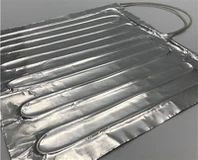
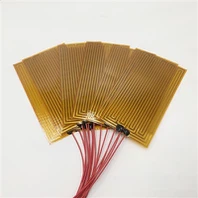
Here's a detailed explanation of how silicone rubber heater insulation improves energy efficiency during freeze drying:
1-Minimizing Heat Loss: The primary function of insulation in a silicone rubber heater is to act as a thermal barrier. It prevents the escape of heat generated by the heating element into the surrounding environment. This is crucial during freeze drying because maintaining specific temperatures within the drying chamber is essential for the process to be effective.
2-Consistent Temperature Control: By reducing heat loss to the surroundings, insulation helps maintain consistent and precise temperatures inside the freeze-drying chamber. Freeze drying typically involves multiple phases, including freezing, primary drying, and secondary drying, each requiring specific temperature settings. Insulation ensures that the chosen temperatures are maintained, improving process control and product quality.
3-Reduced Energy Consumption: When insulation effectively contains heat within the chamber, the silicone rubber heater doesn't have to work as hard to compensate for heat loss. This results in reduced energy consumption, making the freeze drying process more energy-efficient and cost-effective in the long run.
4-Shorter Drying Times: Insulation not only conserves energy but also contributes to shorter drying times. With less heat escaping, the silicone rubber heater can maintain the desired temperature more consistently, expediting the sublimation of water from the frozen samples. This is particularly advantageous for high-throughput operations.
5-Preservation of Sample Quality: Maintaining stable and uniform temperatures is critical for preserving the quality of the samples being freeze-dried. Insulation helps prevent temperature fluctuations that could lead to uneven drying, product degradation, or loss of biological activity in sensitive materials like pharmaceuticals and foods.
6-Minimized Condensation: Insulation not only reduces heat loss but also helps prevent condensation on the chamber walls. This is vital because condensation can lead to wet spots and uneven drying, which compromise the quality of the final product. By maintaining chamber temperature and humidity levels, insulation contributes to a more controlled drying environment.
7-Lower Operating Costs: Improved energy efficiency translates to lower operating costs for freeze drying processes. Reduced energy consumption leads to cost savings in terms of electricity or other energy sources required to power the silicone rubber heater.
8-Environmental Impact: Energy-efficient freeze drying is not only cost-effective but also more environmentally friendly. Lower energy consumption reduces the carbon footprint of the process, aligning with sustainability goals and reducing greenhouse gas emissions.
Silicone rubber heater insulation is a critical component in freeze drying systems that significantly enhances energy efficiency. By containing heat within the drying chamber, insulation promotes consistent temperature control, shorter drying times, and reduced energy consumption. These benefits, in turn, lead to improved sample quality, lower operating costs, and a more sustainable freeze drying process.