How does silicone rubber compare to other heater materials?
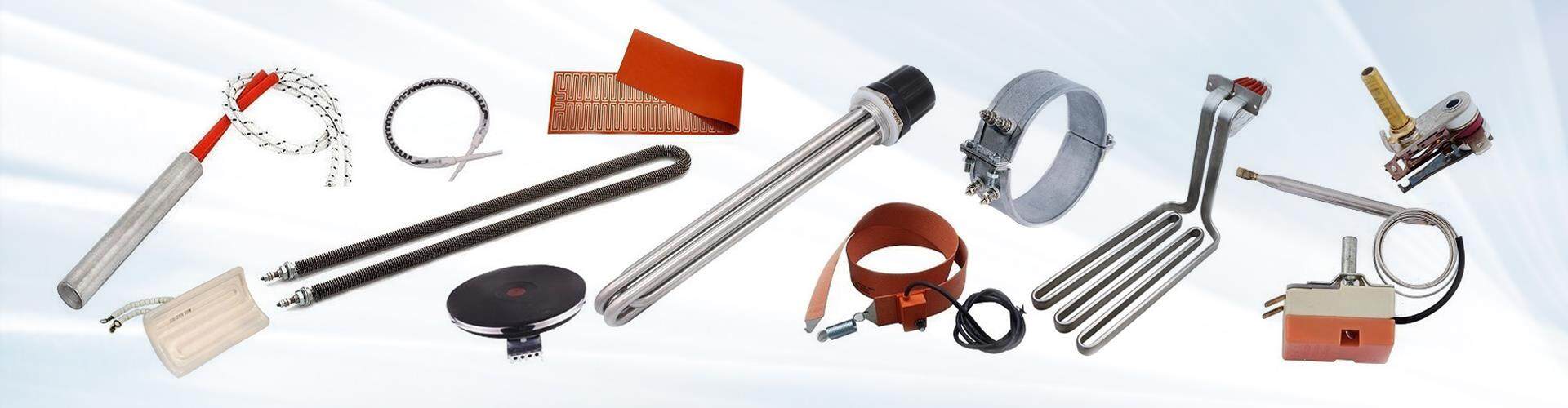
Silicone rubber heaters offer several advantages when compared to other heater materials. Here's a breakdown of how silicone rubber compares with more traditional heater materials such as metal, ceramic, and mica:
1. Flexibility & Conformability
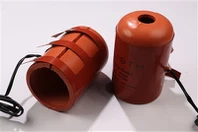
- Silicone Rubber: One of the standout features of silicone rubber heaters is their flexibility. These heaters can easily conform to irregular shapes, which makes them ideal for use in tight or complex spaces. They are also lighter and thinner compared to many other materials.
- Other Materials: Metal and ceramic heaters, on the other hand, tend to be more rigid and may require additional support or casing to fit into irregular spaces. They are less versatile when it comes to adapting to different shapes.
2. Temperature Range
- Silicone Rubber: Silicone rubber heaters can withstand high temperatures (typically up to 250°C or 482°F) without degrading. This makes them suitable for many industrial, automotive, and medical applications that require consistent, high heat.
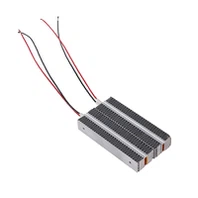
- Other Materials: Metal heaters like stainless steel can also handle high temperatures, but they may not be as efficient or flexible. Ceramic heaters can withstand very high temperatures but can be brittle and prone to cracking. Mica heaters are also heat-resistant but may have lower maximum operating temperatures compared to silicone rubber.
3. Durability & Lifespan
- Silicone Rubber: These heaters are highly durable and resistant to wear, chemicals, and UV light. Their flexible nature also means they can withstand vibrations and shocks better than rigid materials.
- Other Materials: Metal heaters are generally durable but may corrode or rust over time, especially in harsh environments. Ceramic heaters, while durable, can be more fragile and susceptible to cracking or breaking. Mica heaters tend to have a shorter lifespan compared to silicone rubber and are more vulnerable to moisture.