Silicone heating pads are an excellent choice for safely heating gas cylinders due to their flexible, durable, and efficient design. Here's how they work for gas cylinder heating:
1. Material Composition and Flexibility:
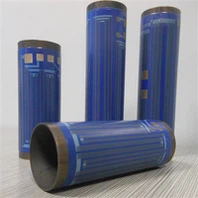
Silicone heating pads are made from high-quality silicone rubber, which is highly flexible and can be easily wrapped around the cylindrical surface of a gas tank. This ensures even heat distribution across the entire cylinder surface. The flexibility also allows for easy installation, as the pad conforms to the shape of the gas cylinder.

2. Controlled Heat Distribution:
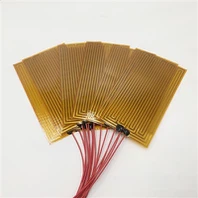
These pads are equipped with electric heating elements embedded inside, usually made from metal wires or a heating film. When powered on, the heating elements generate heat, which is then uniformly distributed across the gas cylinder. Silicone's excellent thermal conductivity ensures that the heat is efficiently transferred to the gas tank, preventing hot spots that could cause damage.
3. Temperature Regulation:
Silicone heating pads often come with built-in temperature sensors or thermostats that help regulate the temperature. This feature ensures the gas cylinder is heated to the desired temperature without overheating, which is crucial for safety. Overheating can cause pressure buildup inside the cylinder, leading to potential hazards. The thermostat monitors and maintains a stable temperature, ensuring the cylinder remains within safe operating limits.

4. Insulation and Safety:
The silicone material itself is a good electrical insulator, providing an added layer of safety. This prevents electrical leakage or short circuits, reducing the risk of fire or electrical shock. Additionally, silicone is resistant to high temperatures, weathering, and chemicals, making it an ideal material for use in industrial or harsh environments.
5. Energy Efficiency:
Silicone heating pads are energy-efficient. The heat generated is quickly transferred to the gas cylinder, ensuring faster warming times with minimal energy consumption. This is particularly important when heating gas cylinders for industrial or commercial purposes, where energy costs can quickly add up.
6. Safety Features:
Overheating Protection: Many silicone heating pads come with automatic shutoff features if they detect overheating, ensuring the gas cylinder is not exposed to dangerous temperatures.
Exponential Heat Spread: The flexible nature of the silicone ensures that the heat is evenly distributed across the cylinder surface, reducing risks of localized pressure buildup due to uneven heating.
7. Applications:
Silicone heating pads are commonly used in applications such as:
Gas cylinder heating for industrial purposes (e.g., to maintain temperature for certain gases like propane, oxygen, or liquid nitrogen).
Cryogenic gas heating to prevent freezing and maintain pressure.
Portable heating solutions for gas storage in extreme cold environments (such as outdoor work sites or cold storage).
In summary, silicone heating pads are ideal for safely and efficiently heating gas cylinders, offering precise temperature control, flexibility, and reliable performance while minimizing risks associated with overheating or inconsistent heating.