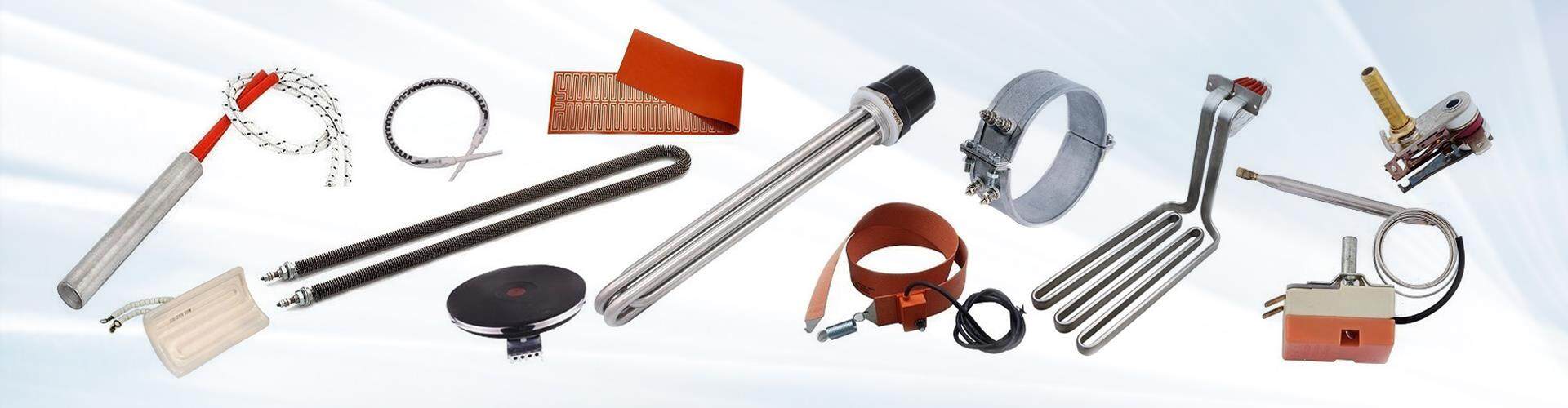
Mica heaters are commonly used in medical sterilization equipment due to their efficient heat transfer, precise temperature control, and durability under high temperatures. Here's how they work in sterilization applications:
Heating Element Function: Mica heaters use resistance wire (usually made from materials like nichrome) that is embedded between layers of mica, which is a heat-resistant mineral. When electrical current passes through the resistance wire, it generates heat.

Thermal Conductivity: The mica material surrounding the heating element is an excellent thermal conductor. It ensures that the heat is evenly distributed across the surface of the heater. This uniform heat distribution is crucial for maintaining consistent sterilization temperatures.
Temperature Control: Mica heaters are typically equipped with thermostats or temperature controllers to ensure that the sterilization equipment operates at a precise temperature. This is essential for sterilizing medical instruments effectively, as sterilization requires a specific temperature to kill bacteria, viruses, and other pathogens.
Heat Resistance: Mica's high-temperature resistance allows the heater to function effectively at high sterilization temperatures (usually between 120°C to 180°C). The mica also provides electrical insulation, preventing any short circuits or electrical failures.

Durability and Reliability: Mica heaters are known for their long lifespan and ability to withstand repetitive heating cycles, making them a reliable choice for medical sterilization equipment that requires consistent and prolonged heating.
In medical sterilization, such as autoclaves or dry heat sterilizers, mica heaters ensure that the equipment reaches the desired temperature efficiently and safely, enabling the sterilization process to be both effective and reliable.