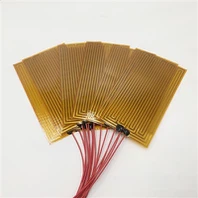
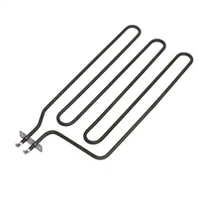
Heat can affect silicone rubber heaters in several ways, depending on the temperature, duration of exposure, and other environmental factors. Here are some of the effects of heat on silicone rubber heaters:
- Thermal expansion and contraction: Like all materials, silicone rubber heaters expand and contract when heated and cooled, respectively. The degree of expansion and contraction depends on the temperature and thermal coefficient of the material. Over time, repeated heating and cooling cycles can cause the silicone rubber to crack or degrade.
- Oxidation and degradation: Silicone rubber heaters can oxidize and degrade when exposed to high temperatures for prolonged periods. This can cause the material to become brittle, lose its elasticity, and eventually crack or break. The rate of degradation depends on the temperature and the presence of oxygen, moisture, or other reactive substances.
- Electrical properties: High temperatures can affect the electrical properties of silicone rubber heaters, such as their resistance, capacitance, and dielectric strength. This can lead to changes in the performance and reliability of the heater.
- Adhesive properties: Heat can affect the adhesion properties of silicone rubber heaters, particularly if they are attached to a substrate with adhesive. High temperatures can cause the adhesive to weaken or fail, leading to detachment or other issues.
To minimize the effects of heat on silicone rubber heaters, it is important to choose a heater that is rated for the temperature range and environmental conditions of the application. It is also important to follow the manufacturer's instructions for installation, operation, and maintenance of the heater. Regular inspections and testing can help detect any signs of degradation or failure before they cause significant damage or downtime.