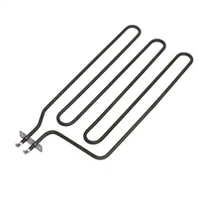
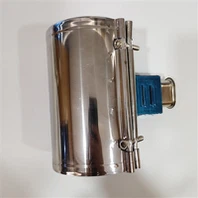
Casting aluminum hot plates are commonly used in electric water kettle boilers due to their efficient heat transfer, fast heating capability, and durability. Here's a breakdown of how they work:
1. Structure and Composition
A casting aluminum hot plate is typically composed of:
Die-cast aluminum alloy body: Offers excellent thermal conductivity.
Embedded heating element: Usually a resistance wire (like NiCr) embedded within the aluminum plate during the casting process.
Thermal control system: Often integrated with a thermostat, thermal fuse, or NTC sensor to manage heating.

2. Working Principle
Step-by-Step Process:
Power Supply Activation
When the kettle is switched on, electrical current flows into the embedded resistance wire inside the aluminum plate.
Resistive Heating
The wire generates heat through electrical resistance, which is quickly and evenly distributed across the aluminum plate due to aluminum's excellent thermal conductivity.
Heat Transfer to the Kettle Base
The kettle's stainless steel or aluminum base sits directly on the hot plate. Heat is transferred efficiently via conduction, quickly raising the water temperature inside the kettle.
Temperature Regulation
A thermostat or temperature sensor monitors the plate's temperature. Once the boiling point (100°C) is reached, the system either reduces power or shuts off the heating entirely to prevent overheating or dry-boiling.
Boil-Dry Protection (Safety Feature)
If the kettle is empty or removed, thermal protection (like a bimetal switch or thermal fuse) cuts off power to avoid damage or fire risk.

Advantages in Kettles
Fast heating: Rapid boiling due to aluminum's high thermal conductivity.
Energy-efficient: Direct heat transfer minimizes energy loss.
Long lifespan: Durable material resists corrosion and mechanical stress.
Cost-effective: Simpler than induction-based systems.
Applications
Household and commercial electric kettles
Industrial or laboratory water boilers
Tea/coffee brewing equipment