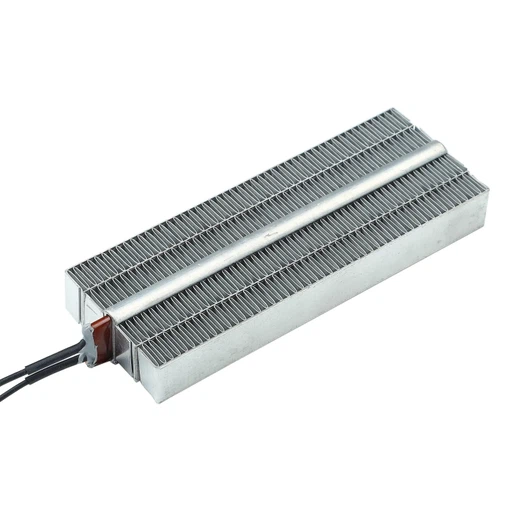
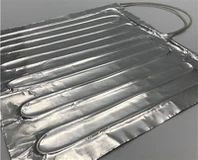
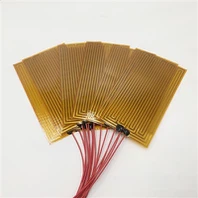
A PTC (Positive Temperature Coefficient) air heater improves energy efficiency in electric and hybrid vehicles primarily through its self-regulating design, which adjusts power consumption based on temperature, conserving energy. Here's a breakdown of how it achieves this:
1. Self-Regulating Temperature Control
Mechanism: PTC heaters use ceramic elements that automatically increase electrical resistance as they warm up. This means that as the heater approaches its target temperature, it draws less current, reducing energy usage without external controls.
Efficiency Gain: This feature prevents overuse of power, especially critical in electric vehicles (EVs) and hybrids where power is limited and needed for propulsion. By only consuming the energy necessary to maintain a stable temperature, the PTC heater avoids unnecessary power drain.
2. Reduced Battery Load at Stable Temperatures
Energy Conservation: Traditional resistive heaters consume constant power regardless of temperature, which can heavily drain an EV or hybrid's battery. PTC heaters, however, naturally reduce power consumption as they warm up, leading to lower energy demands once they reach operating temperatures.
Battery Life Extension: Since PTC heaters do not constantly pull high power, they reduce the overall load on the battery, helping to extend its life and enabling the vehicle to maintain a longer range per charge.
3. Fast and Efficient Cabin Heating
Quick Heat-Up: PTC heaters warm up almost instantly, delivering heat to the cabin quickly without having to wait for the engine to warm up (as required in internal combustion engine (ICE) vehicles). This quick start-up avoids prolonged power use, helping conserve energy during the heating process.
Comfort with Minimal Power: The rapid cabin heating reduces the need to continuously operate at maximum power, keeping both energy use and operating time efficient.
4. Optimized Heating for Cold Conditions
Efficient Performance in Cold Weather: In EVs and hybrids, which lack the waste heat typically generated by ICE vehicles, PTC heaters act as the primary heating source. In cold climates, the PTC heater only uses as much energy as needed to counter the drop in temperature, avoiding excessive power drain in maintaining cabin warmth.
5. Low Standby Power
Reduced Idle Consumption: When the vehicle reaches a comfortable temperature or in milder weather, the PTC heater automatically reduces to low-power standby mode or even shuts off. This efficiency keeps the heater from draining the battery when full heating isn't necessary.
In summary, PTC air heaters improve energy efficiency by self-regulating their power consumption, providing fast yet controlled heating, and reducing battery load in a way that traditional heaters cannot. For EVs and hybrids, this efficient power usage helps preserve the vehicle's range and extends battery life-both critical for electric mobility.