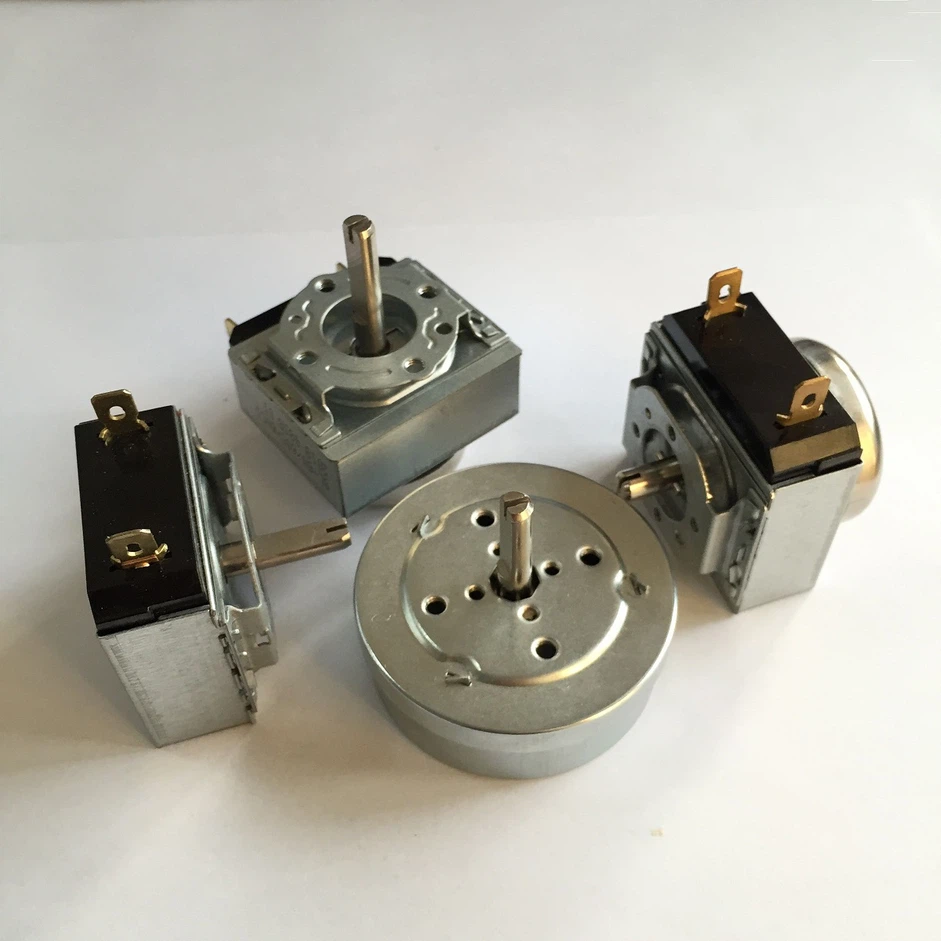
Mechanical timers operate based on simple mechanical principles without the need for electricity. Here's an overview of their working principles:
1. Spring Mechanism: The core component of a mechanical timer is a spring mechanism. This spring is wound manually or automatically using a knob or dial.
2. Gear Train: The energy stored in the spring is transferred to a gear train when the timer is activated. The gear train consists of a series of gears of different sizes that are connected to each other.
3. Escapement Mechanism: The gear train drives an escapement mechanism, which controls the release of energy from the spring in a controlled manner. This ensures that the timing mechanism advances at a steady rate.
4. Dial or Display: Mechanical timers typically feature a dial or display that indicates the passage of time. This can be in the form of rotating hands, numbered discs, or digital displays, depending on the design of the timer.
5. Timing Mechanism: The timing mechanism determines the duration for which the timer will operate. This can be set by the user using controls such as knobs, switches, or levers.
6. Activation: When the timer is activated, the energy stored in the spring drives the gear train, causing the timing mechanism to advance. As time elapses, the display indicates the passage of time based on the position of the hands, discs, or digits.
7. Alarm or Signal: Some mechanical timers feature an alarm or signal to alert the user when the set time duration has elapsed. This can be in the form of a bell, buzzer, or mechanical ringer that is activated when the timing mechanism reaches the end of its cycle.
8. Reset: Once the set time duration has elapsed, the timer can be reset manually or automatically by winding the spring mechanism back to its original position.
Overall, mechanical timers operate based on the energy stored in a spring mechanism, which drives a gear train and timing mechanism to indicate the passage of time. They are simple, reliable, and do not require electricity, making them suitable for a wide range of timing applications.