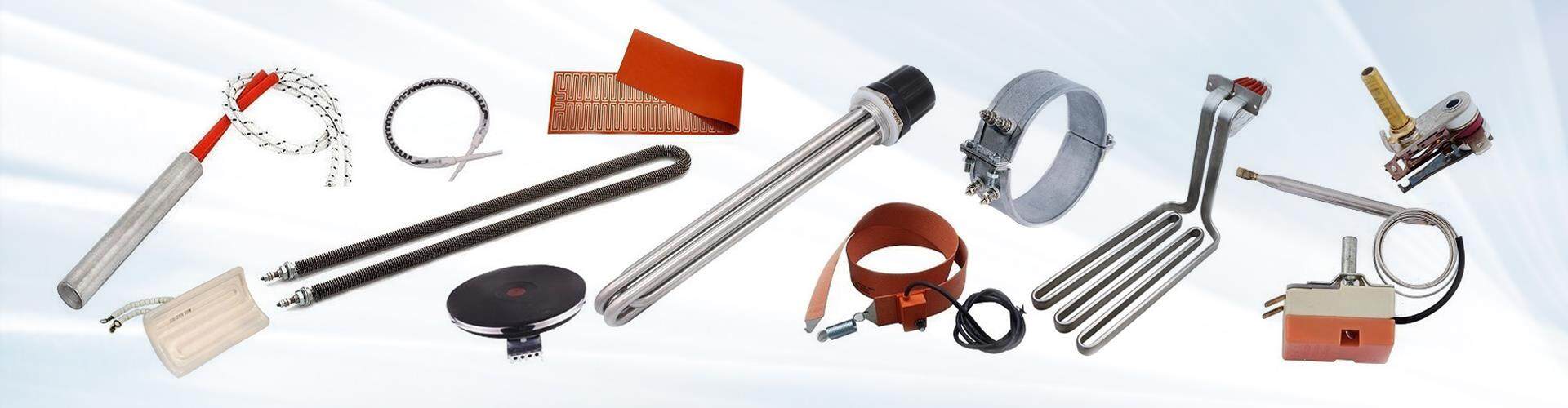
A capillary thermostat ensures precise temperature control in freezers through its design and operation, which are based on the principles of thermal expansion and mechanical switching. Here's how it works:
1. Temperature Sensing with Capillary Tube and Sensor Bulb
The thermostat's sensor bulb, filled with gas or liquid, is placed inside the freezer compartment.
As the internal temperature rises or falls, the fluid inside the bulb expands or contracts.
2. Mechanical Response to Temperature Changes
The expansion or contraction of the fluid moves a diaphragm or bellows inside the thermostat.
This movement directly correlates with the detected temperature, enabling precise readings.
3. Switch Activation for Compressor Control
The mechanical movement activates or deactivates an electrical switch inside the thermostat.
When the temperature exceeds the set threshold, the thermostat signals the compressor to turn on, initiating cooling.
Once the desired temperature is reached, the thermostat stops the compressor, preventing overcooling.
4. User Adjustable Settings
The control knob or dial allows users to fine-tune the desired temperature.
The thermostat adjusts its switching points accordingly, ensuring customized and accurate control.
5. Consistency Across Conditions
The mechanical nature of the capillary thermostat ensures reliable performance in fluctuating ambient conditions, maintaining consistent internal temperatures.
Benefits of Precision Control:
Food Preservation: Prevents spoilage by keeping the temperature within the safe range.
Energy Efficiency: Avoids unnecessary cooling cycles, saving energy.
System Longevity: Reduces wear on the compressor by preventing excessive operation.
Would you like to know more about freezer capillary thermostat? Click the following one and contact us.