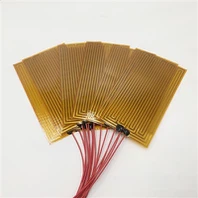
How do you install a silicone rubber heater?
Installing a silicone rubber heater is relatively straightforward, but it requires careful attention to ensure safety and efficiency. Here's a general step-by-step guide for installation:
1. Prepare the Surface
Clean the Surface: Ensure the area where you're installing the silicone rubber heater is clean, dry, and free from any dirt, grease, or moisture. Use a cloth or wipe to remove any contaminants, as this will help the heater adhere better and function optimally.
Check Surface Condition: Ensure the surface is smooth and free from sharp edges that could damage the silicone heater during installation or use.
2. Measure and Cut (if needed)
Measure the Area: Make sure the silicone rubber heater matches the surface area it will cover. Some heaters can be custom-cut to size, but it's best to use a pre-sized heater if possible.
Cutting: If the heater is too large, ensure you follow the manufacturer's instructions regarding cutting. Many silicone heaters can be trimmed to fit, but this depends on the design and type of heating element inside.
3. Apply the Heater
Position the Heater: Place the silicone rubber heater carefully onto the target surface (pipe, tank, machinery, etc.). Ensure it covers the intended area and is aligned properly.
Adhere the Heater: Most silicone rubber heaters are designed to be self-adhesive, so simply peel off the backing film and apply the heater directly to the surface. Press firmly to ensure a strong bond. If the heater isn't self-adhesive, you can use high-temperature adhesive or mounting straps to secure it.
Ensure Full Contact: Make sure the heater is in full contact with the surface to ensure even heat distribution.
4. Wire the Heater
Connect Power Wires: Most silicone rubber heaters have pre-installed wires for electrical connection. If the wires are not already installed, follow the manufacturer's guidelines for wiring.
Use Proper Connectors: Connect the heater's power leads to the appropriate power source. Ensure all wiring connections are secure, insulated, and protected from moisture or environmental elements (using waterproof connectors, for example, if needed).
Thermostat (if applicable): If your heater has an integrated thermostat or temperature controller, connect it according to the manufacturer's instructions. The thermostat should be installed where it can effectively measure the temperature of the heated surface.
5. Check the Heater Placement
Ensure Proper Orientation: Some heaters may need to be placed in a specific orientation to work efficiently (e.g., vertical or horizontal alignment). Make sure it is installed according to the guidelines for best performance.
Avoid Overlap or Twisting: Ensure the heater is not overlapping or twisted, which could cause uneven heating or damage to the element.
6. Test the Heater
Power On: Once the heater is installed, power on the system to check if it's functioning properly.
Check Temperature: Use a thermometer or temperature gauge to ensure the heater reaches the desired temperature. If your system has a thermostat, ensure it is functioning correctly and maintaining the set temperature.