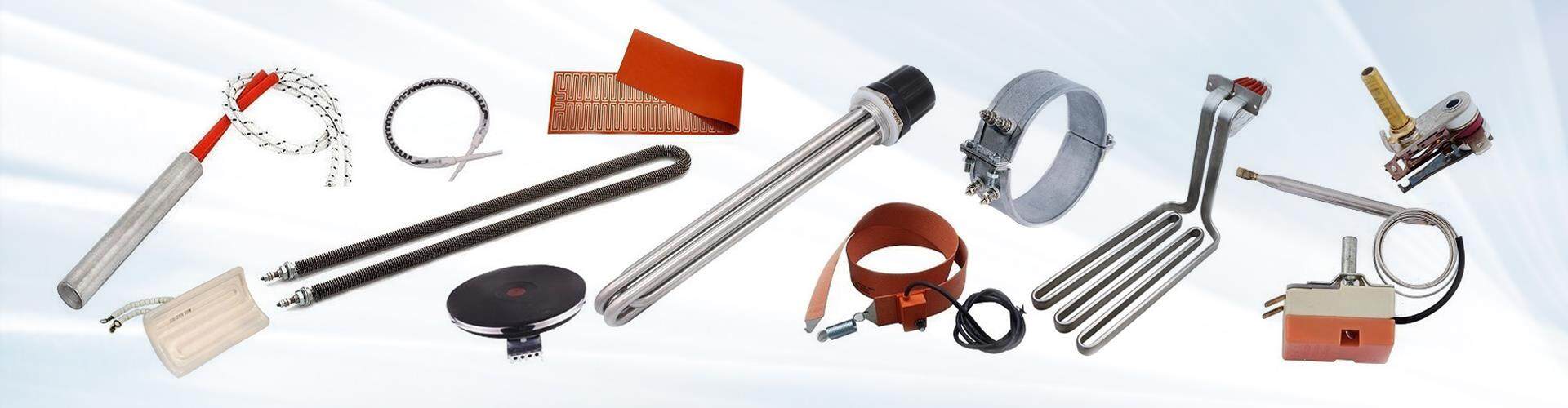
Ensuring even heat distribution in heating coils for consistent cooking involves careful design, material selection, and testing. Here's how it can be achieved:
1. Precision in Coil Design
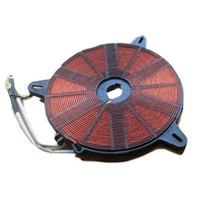
Uniform Spacing: Design the coil with evenly spaced turns to distribute heat across the entire surface.
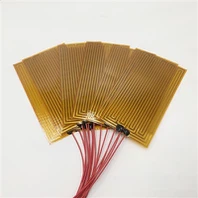
Optimized Shape: Use flat, spiral, or multi-layered coil designs to maximize contact area with cookware.
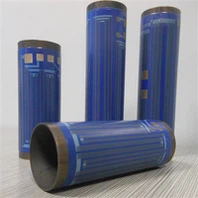
Customized Layout: Tailor the coil geometry to match the size and shape of the stove burner.
2. High-Quality Materials
Nichrome Wire: Use materials with consistent resistance, such as nichrome, to produce uniform heat output along the coil.
Thermal Conductivity: Incorporate materials with high thermal conductivity for effective heat transfer.
3. Temperature Regulation
Power Control: Integrate variable power settings to adjust heating intensity as needed.
Thermostats and Sensors: Include temperature sensors to prevent overheating and ensure steady heat distribution.
4. Reflective and Insulating Components
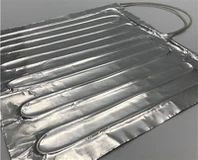
Reflective Shields: Place reflective surfaces beneath the coil to direct heat upwards.
Insulation: Add high-temperature insulation around the coil to reduce heat loss and enhance efficiency.
5. Rigorous Testing and Calibration
Heat Mapping: Conduct thermal imaging tests to identify and eliminate hot spots or uneven heating.
Resistance Testing: Measure electrical resistance to ensure consistent heat generation across the coil.
6. Cookware Compatibility
Design coils that work effectively with flat-bottom cookware for optimal heat transfer and distribution.