Silicone rubber heaters are highly effective in electric vehicles (EVs) due to their flexibility, efficiency, and durability. They provide localized and consistent heating for various EV components, ensuring optimal performance, especially in colder climates. Here's how they work:
1. Heating Mechanism
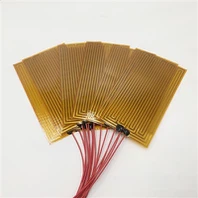
Silicone rubber heaters are constructed with a resistive heating element (usually nichrome wire or etched foil) embedded between layers of flexible, heat-resistant silicone rubber. When an electrical current passes through the resistive element, it generates heat, which is evenly distributed across the heater's surface.
2. Applications in Electric Vehicles
Battery Warming
EV batteries lose efficiency in cold temperatures. Silicone rubber heaters are placed under or around battery packs to maintain an optimal temperature range, ensuring efficient charging, extended battery life, and reliable performance.
Cabin Heating
They provide quick and efficient heating for passenger cabins, compensating for the lack of engine-generated heat in EVs.
Thermal Management for Electronics
Heaters are used to protect sensitive electronics and control units by maintaining a consistent operating temperature.
Fluid Warming
Components such as coolant or wiper fluid reservoirs benefit from silicone rubber heaters to prevent freezing in harsh conditions.

3. Advantages for EV Use
Flexibility
Their pliable nature allows easy installation on curved or irregular surfaces within EV components.
Lightweight Design
Essential for EVs to maximize energy efficiency without adding significant weight.
Rapid Heating
Quick heat-up times improve operational efficiency.
Energy Efficiency
Precise temperature control minimizes energy consumption, crucial for extending EV range.
Durability
Resistant to vibration, chemicals, and moisture, making them reliable in demanding automotive environments.
4. Control Systems
Silicone rubber heaters are often paired with temperature sensors and thermostats to ensure precise and safe operation. Advanced systems may integrate with EV battery management systems (BMS) for automated temperature control.
By maintaining critical temperature conditions, silicone rubber heaters contribute significantly to the safety, efficiency, and reliability of electric vehicles, making them an indispensable component in modern EV design.