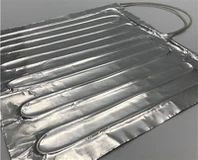
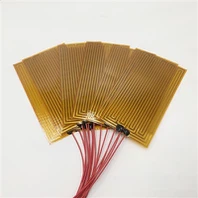
PTC (Positive Temperature Coefficient) heaters are crucial in medical ventilators for maintaining precise and stable air temperatures, ensuring patient safety and comfort.

1. Self-Regulating Property
PTC heaters inherently limit their temperature. As they heat up, their electrical resistance increases sharply at a predefined Curie temperature, reducing current flow and preventing overheating.
This auto-regulation ensures the air stays within a safe range without requiring complex feedback systems.
2. Fast Response & Uniform Heating
PTC elements heat up quickly, allowing rapid adjustments to temperature changes in the ventilator circuit.
They distribute heat evenly, avoiding hot spots that could damage sensitive components or harm patients.
3. Fail-Safe Operation
Unlike traditional heaters, PTC heaters cannot overheat beyond their designed limit, even if control systems fail.
This makes them inherently safer for medical applications where thermal runaway could be dangerous.
4. Integration with Control Systems
While PTC heaters self-regulate, they are often paired with PID controllers and temperature sensors for fine-tuning.
The ventilator's software can adjust power input based on airflow rate and patient needs, ensuring precise delivery of warmed air.
5. Energy Efficiency
Since PTC heaters draw less power as they reach their target temperature, they minimize energy waste, which is vital for battery-operated or portable ventilators.
6. Compliance with Medical Standards
Medical-grade PTC heaters are designed to meet strict ISO 80601 and IEC 60601 safety standards, ensuring reliability in critical care environments.