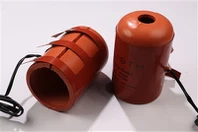
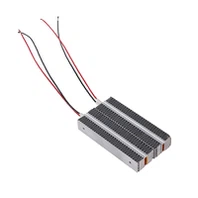
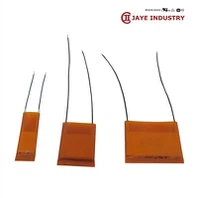
Mica heating plates are commonly used in thermal press machines due to their excellent heat distribution, stability, and durability under high temperatures. Here's how they work:
1. Heating Element Construction
Mica Sheets: Mica heating plates are made from mica sheets that serve as a heat-insulating material. These sheets have excellent heat resistance properties and can withstand high temperatures, making them ideal for applications where consistent heat is required.
Embedded Heating Wire: A heating wire (typically made of nickel-chromium alloy) is embedded between layers of mica or within the mica sheet itself. This wire is responsible for generating heat when an electrical current passes through it.
2. Heat Generation
When electricity flows through the embedded heating element, it encounters resistance, which causes the element to heat up. The high resistance of the wire leads to the conversion of electrical energy into heat energy.
The mica material efficiently transfers this heat to the surface of the heating plate, ensuring even and uniform heat distribution across the entire plate.
3. Heat Transfer to the Material
In a thermal press machine, the mica heating plate provides a stable and uniform heat source that is crucial for evenly pressing materials such as fabrics, plastics, and composites.
The heat generated by the mica plate is transferred directly to the material being pressed, helping to mold, bond, or shape the material as required.
4. Thermal Stability and Control
Mica heating plates can be precisely controlled to maintain the desired temperature. Thermocouples or temperature sensors are often integrated with the heating plate to regulate the heat output and ensure consistent performance.
These plates are also designed to dissipate heat evenly, preventing hot spots that could damage the material being processed.
5. Advantages in Thermal Press Machines
Fast Heating: Mica heating plates provide rapid and efficient heating, which reduces the time needed for the thermal pressing process.
Durability: The mica material offers high resistance to thermal shock and mechanical wear, ensuring that the heating plates last longer even in high-demand operations.
Even Heat Distribution: Mica's properties ensure that heat is evenly distributed, preventing the risk of uneven pressing or product defects.
Energy Efficiency: Mica heating plates are energy-efficient as they minimize heat loss during the process, saving on energy costs in the long run.
In summary, mica heating plates in thermal press machines work by using a heating wire embedded within a mica sheet. The wire generates heat, which is then efficiently transferred to the material being processed, ensuring uniform heat distribution, rapid heating, and energy-efficient performance.