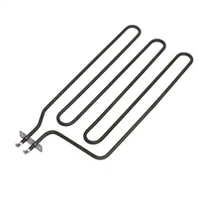
Finned heaters are indispensable components in various industrial and domestic heating applications, renowned for their ability to enhance heat transfer efficiency. However, the durability of these heaters is not solely determined by their design and engineering; the materials used in their construction play a pivotal role. In this article, we explore how the choice of materials profoundly influences the longevity and reliability of finned heaters.
Material Considerations for Finned Heaters:
1. Corrosion Resistance:
One of the primary factors affecting the durability of finned heaters is their resistance to corrosion. Finned heaters are often exposed to harsh environmental conditions, including exposure to moisture, chemicals, and corrosive agents. Materials with high corrosion resistance, such as stainless steel and corrosion-resistant alloys, are favored to ensure the longevity of the heater in challenging operating environments.
2. Temperature Stability:
Finned heaters operate under a wide range of temperatures, depending on the specific application. The materials used must exhibit excellent temperature stability to withstand the thermal stresses encountered during heating and cooling cycles. Alloys with high melting points and resistance to thermal fatigue are commonly selected to ensure the structural integrity of the heater over time.
3. Mechanical Strength:
The mechanical strength of the materials used in finned heaters is crucial for withstanding the physical stresses imposed during installation, operation, and maintenance. High-strength alloys and materials with robust mechanical properties are chosen to prevent deformation, cracking, or failure of the heating element.
4. Thermal Conductivity:
Efficient heat transfer is a core function of finned heaters, and the thermal conductivity of the materials greatly influences this aspect. Materials with high thermal conductivity facilitate the rapid and uniform distribution of heat across the surface of the fins, improving overall efficiency. Copper and aluminum are commonly employed due to their excellent thermal conductivity properties.
5. Oxidation Resistance:
In applications involving high temperatures, the materials must exhibit resistance to oxidation. Oxidation can compromise the structural integrity of the heater and lead to a decline in performance. Alloys with inherent oxidation resistance or coatings that provide a protective barrier against oxidation are often utilized to extend the operational life of finned heaters.
6. Cost Considerations:
While selecting materials with superior properties is critical, cost considerations also play a role in the decision-making process. Engineers and manufacturers often strike a balance between performance and cost-effectiveness to ensure that the chosen materials meet both technical and budgetary requirements.
Case Studies and Real-World Applications:
The impact of material selection on the durability of finned heaters is evident in various industries. For instance, in corrosive industrial environments like chemical processing plants, finned heaters constructed from corrosion-resistant alloys have proven to withstand the test of time, maintaining their efficiency despite exposure to aggressive chemicals.
In the realm of finned heaters, the durability and reliability of these heating elements are intricately tied to the materials used in their construction. A thoughtful consideration of factors such as corrosion resistance, temperature stability, mechanical strength, thermal conductivity, and oxidation resistance is paramount. By selecting materials that align with the specific operational requirements and environmental conditions, engineers and manufacturers can ensure that finned heaters not only enhance heat transfer efficiency but also deliver long-term performance and durability in diverse applications.
Know More about Finned Heaters