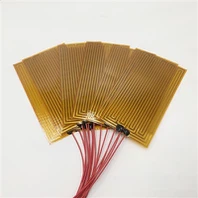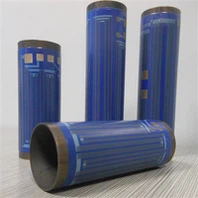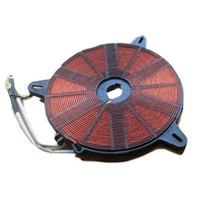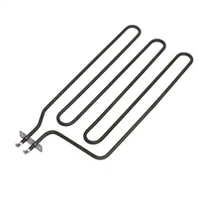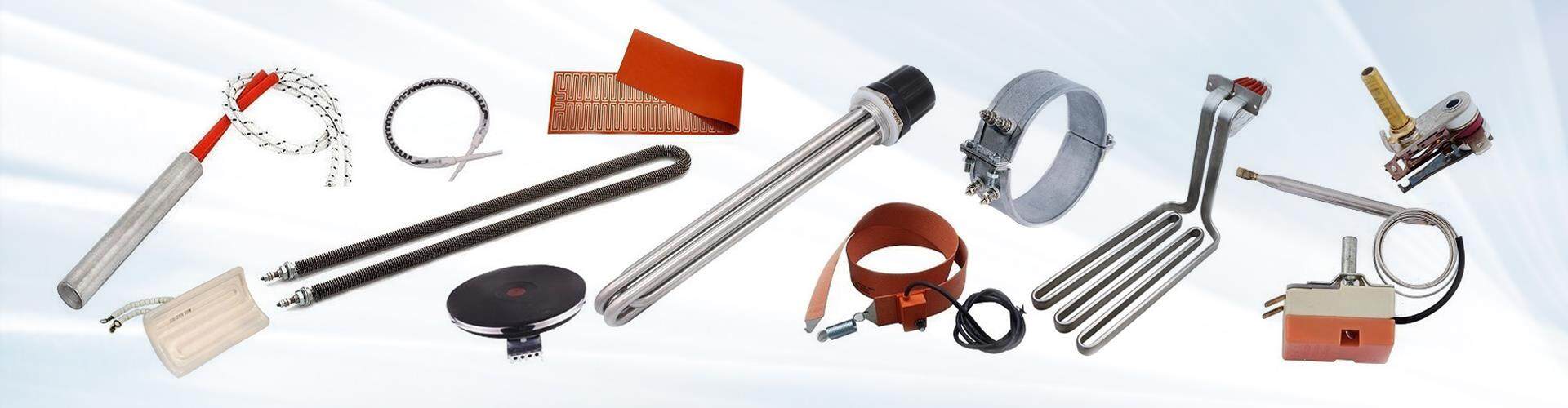
Manufacturers ensure the reliability and durability of thick film heaters in harsh operating environments through a combination of careful design, materials selection, testing, and quality control measures. Here are some key methods they employ:
1. Material Selection:
High-Quality Substrates: Manufacturers choose substrates (typically ceramic) that can withstand high temperatures and mechanical stress without deforming or breaking.
Resistant Conductive Inks: Specialty conductive inks are chosen for their resistance to corrosion, ensuring the heater's performance even in aggressive environments.
Insulating Layers: Properly chosen insulating materials prevent electrical leakage and enhance the overall durability of the heater.
2. Robust Design:
Uniform Heating Distribution: Ensuring uniform heating across the surface reduces localized stress, preventing hotspots that could lead to failure.
Thermal Expansion Considerations: The heater's design accounts for thermal expansion and contraction to prevent cracking or warping during temperature fluctuations.
3. Quality Control:
Testing and Inspection: Each heater undergoes rigorous testing to identify any defects or inconsistencies in the manufacturing process.
Real-Time Monitoring: Advanced sensors and monitoring systems are used during production to identify and rectify issues promptly.
4. Coating and Encapsulation:
Protective Coatings: Applying protective coatings or encapsulation materials shields the heater from environmental factors like moisture, chemicals, or physical abrasion.
Hermetic Sealing: In some applications, heaters are hermetically sealed to prevent any exposure to external elements.
5. Thermal Cycling and Stress Testing:
Thermal Cycling Tests: Heaters undergo repeated thermal cycles to simulate real-world conditions. This helps manufacturers identify weak points and potential areas of failure.
Stress Testing: Heaters are subjected to mechanical stress tests to ensure they can withstand vibrations and shocks without damage.
6. Compliance with Standards:
Certifications: Manufacturers adhere to industry standards and obtain certifications to ensure their products meet the required safety and performance criteria.
7. Customization for Specific Environments:
Tailored Solutions: Manufacturers often customize thick film heaters for specific applications and environments, ensuring the design is optimized to withstand the unique challenges of that particular setting.
8. Continuous Research and Development:
Innovation: Ongoing research and development efforts lead to the discovery of new materials and manufacturing techniques, improving the overall durability and reliability of thick film heaters.
By employing these methods, manufacturers can produce thick film heaters that are highly reliable and durable, even in the harshest operating environments. Continuous testing, adherence to standards, and a commitment to quality assurance are key elements in ensuring the longevity and performance of these components.