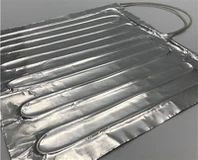
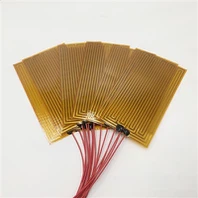
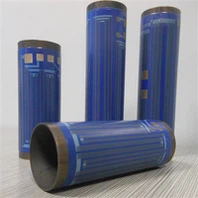
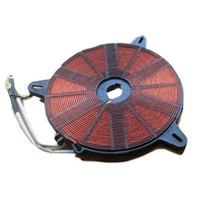
Kettle heating plates, commonly used in coffee machines, is designed to efficiently heat water to the desired temperature for brewing coffee. These heating plates are typically found in coffee makers such as drip coffee machines, espresso machines, and electric kettles used for making coffee. They work through a process that combines electrical resistance with thermal conduction to heat the water or liquid contained in the machine. Here's a detailed explanation of how a kettle heating plate works in coffee machines:
1. Electric Heating Element
At the core of the heating plate is an electric heating element, typically made of materials with high electrical resistance, such as metal alloys like nichrome or stainless steel. The heating element is often placed in direct contact with the surface of the heating plate or embedded within it. The principle behind heating is based on electrical resistance-when an electric current passes through the heating element, it encounters resistance, which causes the element to heat up.
2. Heat Transfer Mechanism
Once the heating element gets hot, it transfers its heat to the kettle's water or coffee carafe. The heating plate is typically made of materials that are good conductors of heat, such as aluminum or stainless steel, which allows efficient heat transfer. This direct contact between the heating element and the plate ensures that the heat is spread evenly across the surface, helping to maintain a consistent temperature. The plate heats up and transfers thermal energy to the container, which in turn heats the water or coffee.
In coffee machines, the water needs to be heated to specific temperatures (usually between 90°C to 96°C for optimal brewing). Kettle heating plates are designed to maintain consistent heat, ensuring the water doesn't overheat or fluctuate in temperature during brewing, which can impact the flavor and quality of the coffee.

3. Thermal Insulation
To prevent heat loss and improve energy efficiency, many coffee machines using heating plates have built-in thermal insulation. This insulation helps maintain the temperature of the water for a longer period and reduces the amount of energy needed to keep the water at the desired temperature. Additionally, it protects the surrounding components of the coffee machine from overheating.
4. Temperature Control
In modern coffee machines, temperature control is achieved through thermostats or thermistors that monitor the water temperature. The heating plate is connected to these sensors, which allow the machine to adjust the power supplied to the heating element. When the water reaches the desired temperature, the thermostat signals the heating element to stop drawing current, preventing overheating and ensuring energy efficiency.
Some coffee machines also come with adjustable temperature settings, allowing users to control the heat of the water based on their preferences. For instance, brewing a pour-over coffee might require slightly different temperatures compared to making espresso.
5. Safety Features
Kettle heating plates also come equipped with various safety features to prevent damage or accidents. Overheating protection mechanisms are built into many models, which automatically turn off the heating element if the temperature exceeds a safe threshold. Additionally, the plate may have an automatic shut-off feature when the coffee machine is not in use for a prolonged period.
Conclusion
In summary, the kettle heating plate in coffee machines works by using electrical resistance to generate heat, which is then transferred to the water or coffee pot via a conductive plate. The heating element is regulated by a thermostat or temperature sensor to maintain a consistent temperature, ensuring that the brewing process is efficient and the coffee tastes just right. With safety features and energy-efficient design, kettle heating plates offer an essential function in coffee machines, ensuring users can brew the perfect cup of coffee.