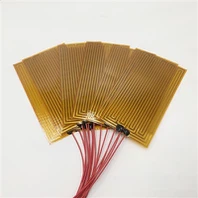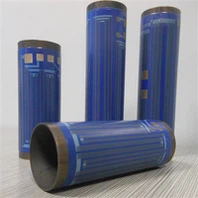
Kapton heating elements act like invisible guardians for lenses in extreme cold, combining material ingenuity with precise thermal control to combat fogging. Here's how they work, stripped of jargon:
**1. The Dew Point Dance
Fogging happens when a cold lens meets moist air, causing water vapor to condense into droplets. Kapton heaters keep the lens's surface temperature just above the dew point-like a cozy force field-so moisture stays vaporized, even in subzero conditions. No condensation, no fog.
**2. Kapton's Superpowers
Thin & Flexible: At just microns thick, Kapton heaters conform to curved or irregular lenses (think ski goggles, drone cameras, or satellite optics) without adding bulk.
Cold-Resilient: Unlike stiff materials that crack in extreme cold, Kapton stays supple down to -269°C (yes, near absolute zero!), making it ideal for Arctic gear or space missions.
Heat-Hardy: Handles temperatures up to 180°C, but in anti-fogging, it's dialed to a gentle warmth-just enough to nudge the lens past the dew point, saving energy.
**3. Precision Heating, Zero Hotspots
Embedded within the Kapton film are ultra-thin metal traces (often etched copper or nichrome). These act like microscopic highways for electricity, generating even heat across the lens. No cold corners = no sneaky fog patches.
**4. Power-Sipping Efficiency
Kapton heaters have minimal thermal mass, so they warm up instantly and use only the energy needed. In battery-dependent gear (like avalanche rescue cameras), this efficiency is lifesaving-no wasted juice.
**5. Stickability That Lasts
Kapton's surface bonds securely to lenses or housings with adhesives that won't peel, even during wild temperature swings. Imagine a sticker that grips through -50°C blizzards and thaws, cycle after cycle.
**6. Stealthy Integration
In high-tech applications (e.g., military scopes or Mars rover cameras), Kapton heaters hide in plain sight. They're lightweight enough not to distort optics and thin enough to layer behind anti-reflective coatings, preserving clarity.