IBC (Intermediate Bulk Container) Tank Heating Jackets are an efficient and practical solution for heating and maintaining the temperature of food-grade liquids, viscous materials, or other ingredients stored in IBC tanks. Here's how they work and why they are essential in the food and beverage industry:
How They Work
Thermal Design:
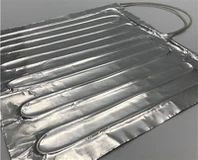
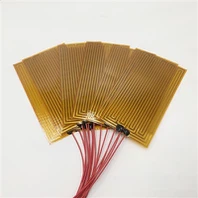
IBC tank heating jackets are made from flexible silicone or insulated fabric materials integrated with electric heating elements. The heating elements distribute heat evenly across the jacket to ensure uniform temperature throughout the tank's contents.
Precise Temperature Control:
These heating jackets are equipped with thermostats or digital temperature controllers, allowing precise adjustments to meet the requirements for different materials, such as honey, chocolate, oils, or syrups.
Easy Installation:
The jacket wraps around the IBC tank snugly, secured with adjustable straps or Velcro. It plugs into a standard power outlet, making it user-friendly for food processing facilities.

Uniform Heat Distribution:
The design ensures that heat is evenly distributed, preventing hotspots and maintaining the desired temperature for extended periods, even in cold environments.
Optional Insulation Covers:
Additional insulation layers can reduce heat loss, ensuring energy efficiency and maintaining the desired temperature longer.
Applications in the Food and Beverage Industry
Maintaining Flowability of Viscous Materials:
Honey and Syrups: Prevents crystallization and maintains viscosity for easy pouring or processing.
Chocolate: Keeps the chocolate in a molten state for production or packaging.
Temperature Maintenance for Fermentation:
Used for products like wine, beer, and dairy, where maintaining a specific temperature range is critical for fermentation processes.
Preheating Ingredients for Processing:
Oils, fats, and other ingredients often need preheating for mixing or blending in recipes.
Storage in Cold Environments:
Protects temperature-sensitive products from solidifying or degrading in low temperatures.
Prevention of Waste:
By maintaining optimal temperatures, the jacket ensures minimal waste of materials stuck to the container walls.