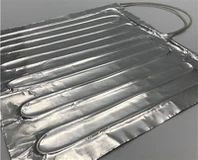
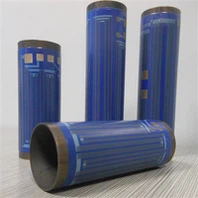
In bread fermentation, heating mats are commonly used to maintain an optimal temperature for the dough as it rises, improving the fermentation process. Here's how they work:
Temperature Control: Yeast, the key microorganism involved in bread fermentation, thrives in a warm environment. Typically, yeast ferments best at temperatures between 75°F to 85°F (24°C to 29°C). If the ambient temperature is too cold, fermentation can slow down, leading to under-risen dough with poor texture. A heating mat provides consistent, gentle warmth to maintain the ideal temperature for fermentation.

Even Heat Distribution: Heating mats distribute heat evenly across the surface of the dough or fermentation container. This ensures that all areas of the dough rise at the same rate, promoting uniform fermentation and helping the dough rise consistently and efficiently.
Controlled Fermentation: By placing the dough or proofing container on the heat mat, bakers can create a controlled environment where the dough rises at a steady pace. This is particularly useful in cooler kitchens or during winter months, when ambient temperatures may not be ideal for fermentation.
Faster Rising Time: With the right amount of warmth, yeast becomes more active, which accelerates the fermentation process. This means the dough can rise more quickly, reducing the time it takes for proofing and allowing bakers to prepare bread faster.
In bread-making, heating mats can be placed under the dough bowl or proofing basket to keep the dough at an ideal temperature, promoting proper rise and texture development. This is especially helpful for bread recipes that require multiple rises or slow fermentation.