Core Principle: Curved, Even Heat & Pressure
Unlike a flat press, a mug press uses a single, curved heating element that wraps around the mug. Its job is to apply simultaneous, even heat and pressure to the entire design area (usually a full 360° wrap) for a precise amount of time.

Main Components & How They Work Together:
- The Curved Heating Element (The Heater):
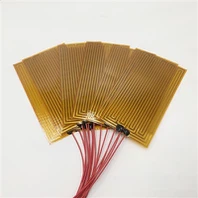
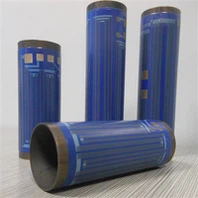
- This is the core of the machine. It's a metal element shaped to match the standard curve of a sublimation mug (typically for 11oz or 15oz mugs).
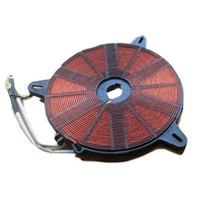
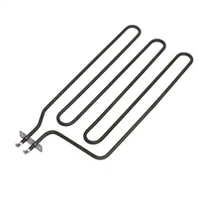
- It contains integrated heating coils and a thermostat that allows you to set and maintain the precise temperature required for sublimation (usually 380°F - 400°F / 193°C - 204°C).
- The Clamping Mechanism:
- A heavy-duty spring or pneumatic arm applies consistent, firm pressure to hold the heating element tightly against the mug for the entire duration of the press cycle.
- The Base or Cradle:
- This is where the mug sits. It's often height-adjustable to accommodate different mug sizes (e.g., 11oz vs. 15oz) and ensure the design area aligns perfectly with the heater.
- The Internal Pressure System (The "Magic" Inside the Mug):
- This is the most critical part and what makes a full-wrap design possible. A heat-resistant silicone baking pad or bladder is inserted inside the mug.
- This pad is then inflated (using a small hand/bulb pump or an integrated air valve), creating strong, even outward pressure. This forces the mug's wall firmly against the sublimation paper and the external heating element.

The Step-by-Step Sublimation Process:
- Preparation: A design is printed in mirror image on sublimation paper using sublimation ink. The paper is taped onto a polyester-coated or polymer-coated sublimation mug. The coating is essential-it's what opens under heat to accept the gaseous ink.
- Setup: The silicone baking pad is inserted into the mug and inflated to the correct pressure. The mug is then placed in the cradle of the press, aligning the paper under the heater.
- Pressing (The Transfer):
- Clamping: The lever is pulled down, clamping the curved heater snugly around the mug.
- Heating & Timing: The heater rapidly brings the mug's surface to the set temperature. A digital timer starts (typically 150-200 seconds).
- Sublimation: At this high temperature, the solid sublimation ink on the paper turns into a gas. The combination of heat from the outside and firm, even pressure from the inside forces this gas into the pores of the mug's polymer coating.
- Permanent Bond: As the mug cools after the press cycle, the ink reverts to a solid state, trapped permanently within the coating, not just on top of it. This makes the design dishwasher-safe and highly durable.
- Finishing: The press is opened, the mug is carefully removed (with heat-resistant gloves), the silicone pad is deflated and removed. After a brief cool-down, the paper is peeled away to reveal a vibrant, permanent, full-color design.

Why This System is Essential for the Industry:
- 360° Wraps: It's the only practical way to get a seamless, full-wrap design on a round mug.
- Commercial Viability: It allows for fast, consistent production (3-5 minutes per mug) with minimal skill, making it perfect for small businesses and large promo product companies alike.
- Consistent Quality: The combination of a calibrated heater, timer, and internal pressure system ensures professional, repeatable results with no ghosting or blurry spots.
Key Types of Mug Presses:
- Standard Clamp-Style Press: The most common type, described above.
- "Wrap-Style" or "Slide-In" Press: The mug sits on its side, and a flexible heated band wraps around it. Often used for mugs with handles that would interfere with a full clamp.
- Automated Mug Press: Used in high-volume settings, these often have multiple stations and automated clamping/timing for maximum throughput.

In Summary:
A mug press heater works by combining a curved external heating element with an internal pressurized silicone pad. This duo applies the perfect balance of heat, pressure, and time to convert sublimation ink into a gas and permanently infuse it into the coated surface of a mug. It is a purpose-built machine that solved the unique challenge of printing on a round, hollow object, making customized mugs one of the flagship products of the sublimation industry.