In the realm of industrial and domestic heating applications, the quest for improved energy efficiency and optimal heat transfer has led to the development and utilization of various technologies. One such innovation that has proven to be highly effective is the implementation of finned heaters. These specialized heating elements are designed to enhance heat transfer efficiency, offering a range of benefits across diverse applications.
Understanding Finned Heaters:
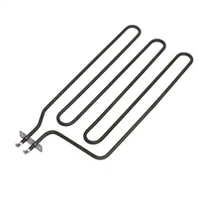
Finned heaters, also known as finned tubular heaters, are electric heating elements equipped with extended surfaces or fins. The fins are typically attached to the outer surface of the heating element, creating an extended surface area. This seemingly simple design modification plays a pivotal role in improving heat transfer efficiency.
Mechanism of Heat Transfer Enhancement:
The effectiveness of finned heaters in enhancing heat transfer efficiency lies in the fundamental principles of heat conduction and convection.
Let's delve into the key mechanisms:
1. Increased Surface Area:
The primary advantage of finned heaters is the substantial increase in surface area. By extending the surface through the addition of fins, these heaters expose a larger area to the surrounding medium. This increased surface area facilitates greater contact between the heater and the air or other fluids, thereby improving the overall heat transfer capability.
2. Enhanced Convection:
Fins promote convective heat transfer by increasing the surface area available for the transfer of heat to the surrounding medium. As the fluid (air or liquid) passes over the fins, it encounters more surface area, leading to more efficient heat exchange. This convective heat transfer is particularly beneficial in applications where the medium is in motion, as in forced convection systems.
3. Reduced Heat Loss:
Fins also play a crucial role in minimizing heat loss. By increasing the efficiency of heat transfer to the surrounding medium, finned heaters help to ensure that a higher percentage of generated heat is utilized for the intended application rather than being lost to the environment.
Applications of Finned Heaters:
Finned heaters find widespread use across various industries and applications due to their efficiency in heat transfer.
Some notable applications include:
- Industrial Processes:
Finned heaters are extensively used in industrial processes such as plastic molding, packaging, and chemical manufacturing where precise and efficient heating is critical.
- HVAC Systems:
Heating, ventilation, and air conditioning (HVAC) systems leverage finned heaters to enhance the performance of air heating units, improving the overall efficiency of these systems.
- Oil and Gas Industries:
In oil refineries and petrochemical plants, finned heaters are employed for applications such as heating liquids, gases, and tanks, where efficient heat transfer is essential for operational processes.
- Food Processing:
The food industry utilizes finned heaters for tasks like heating ovens, maintaining specific temperatures in food processing equipment, and ensuring uniform heat distribution in various cooking processes.
Finned heaters stand as a testament to the ongoing pursuit of increased energy efficiency and improved heat transfer performance in diverse industrial and domestic applications. By harnessing the principles of increased surface area, enhanced convection, and reduced heat loss, these specialized heating elements contribute significantly to the optimization of heating processes. As industries continue to prioritize sustainability and energy conservation, finned heaters are likely to remain a key player in the realm of efficient heat transfer technologies.
Know More about Finned Heaters