In the ever-evolving landscape of industrial processes, the pursuit of energy efficiency is a constant endeavor. Companies are continually seeking innovative solutions to not only reduce operational costs but also minimize environmental impact. One such solution that has proven to be a game-changer in this regard is the implementation of finned heaters. These specialized heating elements offer a myriad of benefits that contribute significantly to energy savings in industrial processes.
The Anatomy of Finned Heaters
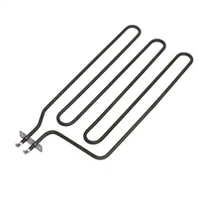
Finned heaters, also known as finned tubular heaters, are designed with a distinctive structure that sets them apart from traditional heating elements. The primary component is a tubular sheath, usually made of materials like stainless steel, within which a resistive heating element is placed. What makes these heaters unique are the fins attached to the outer surface of the sheath.
Improved Heat Transfer
The fins in finned heaters serve a crucial purpose by enhancing heat transfer efficiency. The increased surface area resulting from the fins allows for better contact with the surrounding air or medium, facilitating more effective heat dissipation. This means that finned heaters can achieve the desired temperatures faster and maintain them with lower energy consumption.
Precision Heating and Temperature Control
Finned heaters offer precise heating control, enabling industrial processes to operate at optimal temperatures. This precision is particularly beneficial in applications where maintaining specific temperature ranges is critical. The ability to reach and maintain target temperatures with accuracy contributes to energy savings by preventing unnecessary overheating and reducing the overall heating duration.
Uniform Heat Distribution
Uniform heat distribution is another key advantage of finned heaters. The fins help spread heat evenly along the length of the heater, eliminating hotspots and ensuring that the entire surface area of the target medium receives consistent heating. This uniformity not only enhances the efficiency of industrial processes but also prevents energy wastage associated with uneven heating.
Rapid Response Time
Finned heaters boast a rapid response time, meaning they can quickly adapt to changes in temperature requirements. The swift adjustment minimizes downtime and allows industrial processes to operate with greater flexibility. The faster response time contributes to energy savings by reducing the overall time the heating elements are active.
Longevity and Durability
The robust design of finned heaters contributes to their longevity and durability. The combination of high-quality materials and efficient heat transfer mechanisms ensures that these heaters can withstand the rigors of industrial environments. The longer lifespan of finned heaters means fewer replacements, reducing both maintenance costs and the environmental impact associated with the production and disposal of heating elements.
Conclusion
In conclusion, finned heaters emerge as a formidable ally in the quest for energy efficiency in industrial processes. Their unique design, focused on improving heat transfer, precision, uniformity, response time, and durability, collectively contributes to substantial energy savings. As industries continue to prioritize sustainability and cost-effectiveness, the adoption of finned heaters stands out as a prudent investment that not only optimizes operational processes but also aligns with the broader goals of a greener and more efficient industrial landscape.
Know More about Finned Heaters