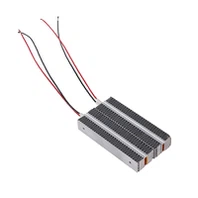
Ceramic strip heaters are commonly used in furnaces for heating applications due to their ability to provide consistent, efficient heat. Here's how they work:
Heating Element Material: Ceramic strip heaters typically consist of a ceramic core that is embedded with a heating element, often made of a high-resistance metal such as nichrome or a similar alloy. The ceramic material acts as an insulator and heat conductor, ensuring that the heat is evenly distributed.
Electric Current: When an electric current passes through the metal heating element, the electrical resistance generates heat. This heat is then transferred to the ceramic core, which radiates heat into the furnace space.

Heat Transfer: The ceramic material is designed to absorb and retain heat for a longer period, allowing it to provide consistent, steady heat over time. The heat radiates from the ceramic surface, which is essential for maintaining a stable temperature within the furnace.
Durability and Efficiency: The ceramic strip design allows the heater to withstand high temperatures, making it suitable for industrial furnaces that require reliable and continuous heat sources. The heating elements within the ceramic strips are protected from oxidation and wear, which increases their lifespan.
Application in Furnaces: In a furnace, ceramic strip heaters are often positioned to ensure even heat distribution. They are used for processes like metal melting, curing, or sintering, where precise temperature control is essential. Their ability to provide high-intensity heat without producing excessive radiant energy makes them ideal for such applications.

Overall, ceramic strip heaters are valued for their high efficiency, durability, and ability to maintain consistent temperatures, which makes them suitable for use in furnaces across various industries.