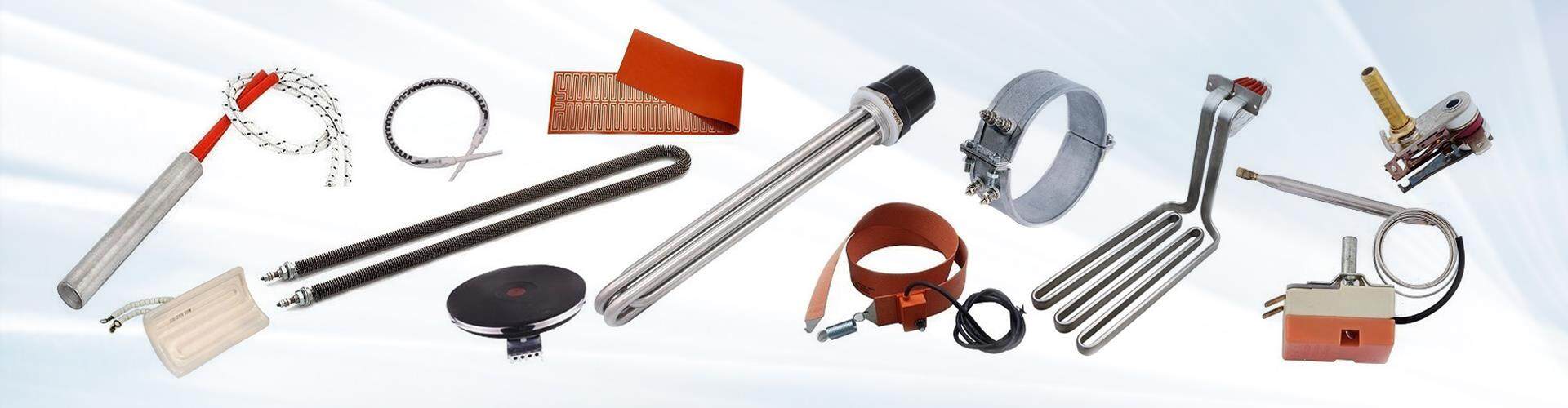
Ceramic finned strip heaters are essential components in ceramic machinery, providing efficient and consistent heat for various processes. Here's how they work within these machines:
Structure and Design
Ceramic finned strip heaters are composed of a resistance wire, ceramic insulation, a metal sheath, and metal fins. The resistance wire is embedded within the ceramic insulation, which helps to distribute the heat evenly. The fins attached to the metal sheath increase the heater's surface area, allowing for better heat dissipation into the surrounding environment.
Working Process in Ceramic Machinery
When an electrical current passes through the resistance wire, it generates heat. This heat is then transferred to the ceramic insulation, which evenly distributes it across the heater's surface. The metal fins play a crucial role in this process by enhancing heat transfer to the air or materials in direct contact with the heater.
In ceramic machinery, this efficient heat transfer is vital for maintaining the required temperatures for processes like drying, curing, and firing of ceramic products. The even distribution of heat ensures that ceramic materials are uniformly processed, reducing the risk of defects or inconsistencies.

Benefits in Ceramic Machinery
The design of ceramic finned strip heaters allows for precise temperature control, which is crucial in ceramic production where specific temperatures are needed to achieve desired properties in the final product. These heaters are also highly durable and can withstand the harsh conditions and high temperatures commonly found in ceramic machinery.
Overall, ceramic finned strip heaters provide reliable, efficient, and uniform heating, making them an ideal choice for improving the quality and efficiency of processes in ceramic manufacturing.