Capillary thermostats play a crucial role in plastic molding machines by accurately regulating temperature to ensure high-quality molding and prevent material defects. Here's how they work in this application:
Working Mechanism:
Temperature Sensing:
The capillary thermostat consists of a sealed capillary tube filled with a temperature-sensitive fluid and a diaphragm or bellows.
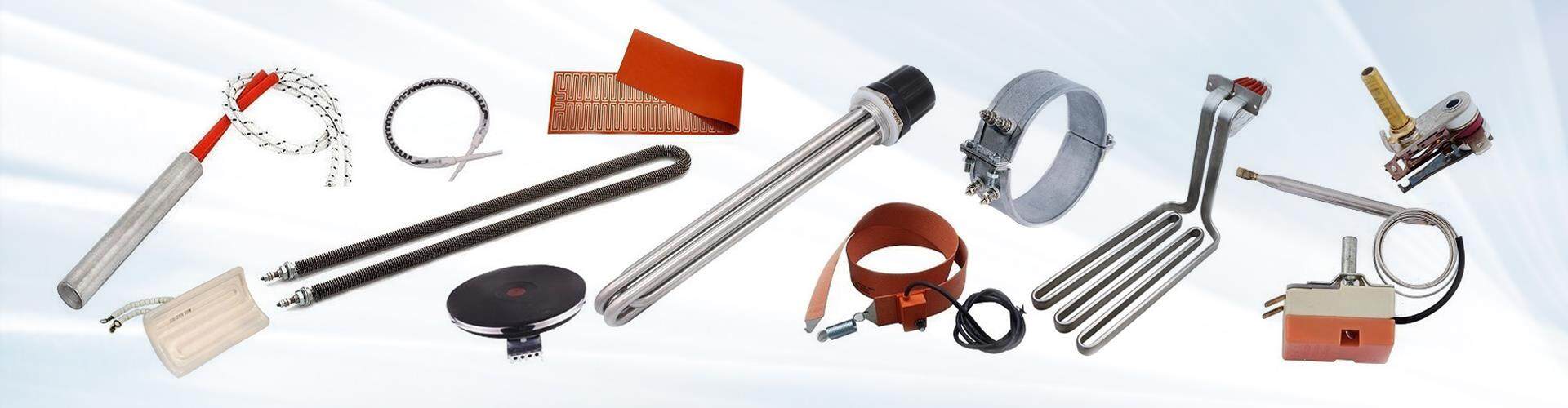
This sensing element is placed near the heating elements of the plastic molding machine.
Expansion and Contraction:
As the temperature rises, the fluid inside the capillary tube expands, exerting pressure on the diaphragm.
When the preset temperature is reached, the diaphragm moves, triggering a mechanical switch to cut off power to the heating elements.

Temperature Regulation:
If the temperature drops below the set point, the fluid contracts, allowing the switch to reactivate the heating element, restoring the required temperature.
This cycle ensures precise temperature control, preventing overheating or underheating of plastic material.

Benefits in Plastic Molding Machines:
✔ Consistent Heat Control: Maintains a stable and uniform temperature for quality plastic molding.
✔ Prevents Overheating: Avoids material degradation, burns, and defects.
✔ Energy Efficiency: Turns heating elements on and off as needed, reducing energy consumption.
✔ Long Lifespan & Reliability: Mechanical operation with minimal maintenance requirements.
✔ Safety Protection: Helps prevent machine overheating and extends component life.