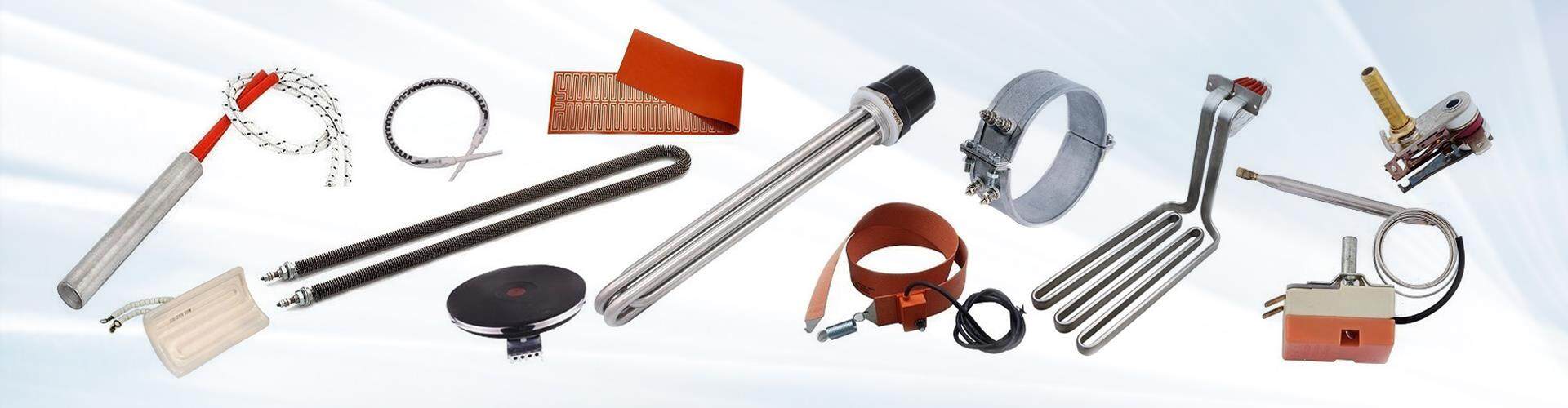
In the highly sensitive field of medical care, maintaining a patient's core body temperature is not just a matter of comfort-it is a critical component of survival and recovery. Aluminum foil heaters have emerged as a cornerstone technology in modern medical warming devices like patient warming systems, infant incubators, and therapeutic blankets. Their ability to safely and precisely regulate temperature stems from a combination of unique engineering and design features.

1. Precision Engineering for Uniform Heat Distribution
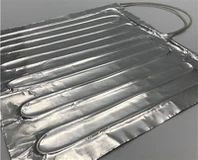
The greatest risk in medical heating is the creation of hot spots, which can lead to thermal burns on a patient's vulnerable skin. Aluminum foil heaters address this fundamental challenge through their etched-foil element.
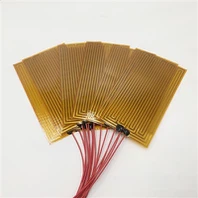
How it Works: The heating element is not a simple wire but a precisely etched pattern of conductive alloy on a thin, flexible substrate. This pattern can be engineered to distribute electrical resistance evenly across the entire surface area of the heater.
The Safety Outcome: Instead of heat emanating from a few concentrated points, it radiates uniformly from the entire surface. This creates a gentle, blanket-like warmth that eliminates dangerous localized overheating, ensuring patient safety even during long procedures or for immobile neonates.
2. Advanced Integration with Smart Control Systems
A heater is only as good as its controller. Aluminum foil heaters are not standalone components; they are integrated into a closed-loop temperature management system.
How it Works: Medical warming devices are equipped with multiple, redundant temperature sensors (thermistors) that constantly monitor the patient's skin temperature and/or the heater surface temperature. This real-time data is fed to a microprocessor-based controller.
The Safety Outcome: If the system detects any deviation from the setpoint temperature, it instantly adjusts the power supplied to the aluminum foil heater. This feedback loop allows for precise temperature regulation within a narrow, safe range (e.g., ±0.5°C), automatically preventing both under-warming and overheating.
3. Inherently Safe and Durable Construction
The medical environment demands robustness and reliability. Aluminum foil heaters are manufactured to meet these rigorous standards.
How it Works: The delicate foil element is fully encapsulated or laminated between layers of durable, biocompatible, and often waterproof insulating materials such as silicone rubber or polyimide. This sealing protects the circuit from moisture, corrosion, and physical damage.
The Safety Outcome: This encapsulation makes the heater incredibly safe. It is electrically insulated, preventing any risk of shock, and its exterior surface remains at a safe touch temperature. Furthermore, the lack of fragile coils makes them highly resistant to failure from vibration or flexing, ensuring long-term reliability in critical care settings.
4. Customizability for Targeted Therapeutic Applications
Patient needs are not one-size-fits-all, and neither are the heating solutions.
How it Works: The manufacturing process allows aluminum foil heaters to be custom-cut into virtually any shape or size. They can be designed with multiple independent heating zones on a single sheet.
The Safety Outcome: This enables sophisticated applications. For example, a surgical blanket can have a warmer zone for the torso and a cooler zone for the extremities, all controlled independently. This level of customization ensures that thermal therapy is delivered precisely where it is needed most, enhancing both safety and efficacy.
In summary, aluminum foil heaters safely regulate temperature in medical devices by transforming a simple heating function into an intelligent thermal management system. Through their uniform heat distribution, integration with smart sensors, ruggedized construction, and customizable design, they provide the safe, reliable, and precise warmth essential for protecting vulnerable patients and promoting positive health outcomes.