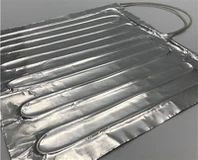
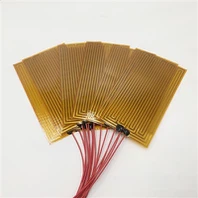
In simple terms, it is a highly efficient device for converting and transferring electrical energy into thermal energy. Its core principle is the heating effect of electric current (Joule's Law), and it achieves safe, rapid heating through a precisely engineered physical structure.
Here is a detailed breakdown of how it works:
I. Internal Structure and Function (From Inside Out)
A copper water heater is a sealed metal tube with the following internal structure:
Heating Wire (The Heating Core):
Made of high-resistance alloy, coiled into a spiral shape.
Function: When electrified, the resistance converts electrical energy into heat, becoming the heat source.
Insulating & Thermally Conductive Layer (Magnesium Oxide Powder): Tightly packed between the heating wire and the inner wall of the metal tube.

Dual Function:
- Electrical Insulation: Prevents current from leaking to the tube wall, ensuring electrical safety.
- Efficient Heat Conduction: Transfers the heat generated by the heating wire quickly and evenly to the outer metal sheath.
- Metal Sheath (Copper Casing):
- This is the copper tube we see and touch. It forms the sealed outer shell of the entire element.
- Key Roles:
- Sealing & Waterproofing: Protects the internal components, isolating them completely from water.
- Heat Transfer Interface: The excellent thermal conductivity of copper is the primary reason for its selection. It instantly distributes heat across the entire surface of the tube wall, then efficiently transfers it to the water.
- Sealed Terminal & Lead Wires:
- Specially sealed at the end to connect the heating wire leads to the power source while ensuring a permanent, watertight seal.

II. Complete Workflow Within an Electric Boiler
- Power On: The thermostat closes the circuit, allowing current to flow into the heating wire inside the element.
- Core Heating: The heating wire rapidly heats up to several hundred degrees Celsius due to its resistance.
- Heat Transfer: Heat is efficiently conducted through the magnesium oxide powder to the outer copper sheath. Copper's superior thermal conductivity prevents localized overheating.
- Heating the Water: The submerged surface of the copper tube heats the surrounding cold water directly through "thermal conduction." The hot water rises, and the cold water sinks, creating "natural convection" currents that circulate and gradually heat the entire tank of water.
III. Why Choose "Copper" as the Material? (Core Advantages)
- Excellent Thermal Conductivity: Conducts heat much faster than stainless steel, leading to higher heating efficiency, energy savings, and shorter heating times.
- Strong Corrosion Resistance: Maintains good stability in hot water environments, ensuring a long service life.
- Inherent Antimicrobial Properties: Copper ions have a certain inhibitory effect on bacteria in water.
- Good Workability: Easy to form into various shapes (U-shaped, threaded, etc.), adapting to different tank designs.

IV. Crucial Safety Prerequisite
The heating element itself is a "passive" component. Its safe operation depends entirely on system protection:
Must Always Be Submerged in Water: Water carries away heat in time, keeping the tube wall at a reasonable temperature (around 100°C).
Dry Firing is Absolutely Prohibited: Without water for cooling, heat accumulation will quickly cause internal components to burn out and may even lead to a fire. Therefore, the electric boiler must be equipped with a reliable dry-fire protection device (such as a water level sensor or a thermally linked safety switch).