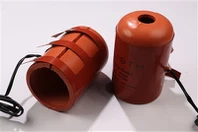
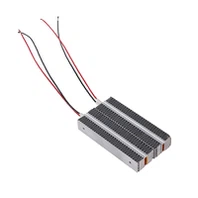
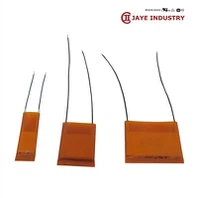
Circle-shaped infrared (IR) heaters in ovens work by converting electrical energy into infrared radiation, which directly heats food, air, or cookware without relying only on convection.
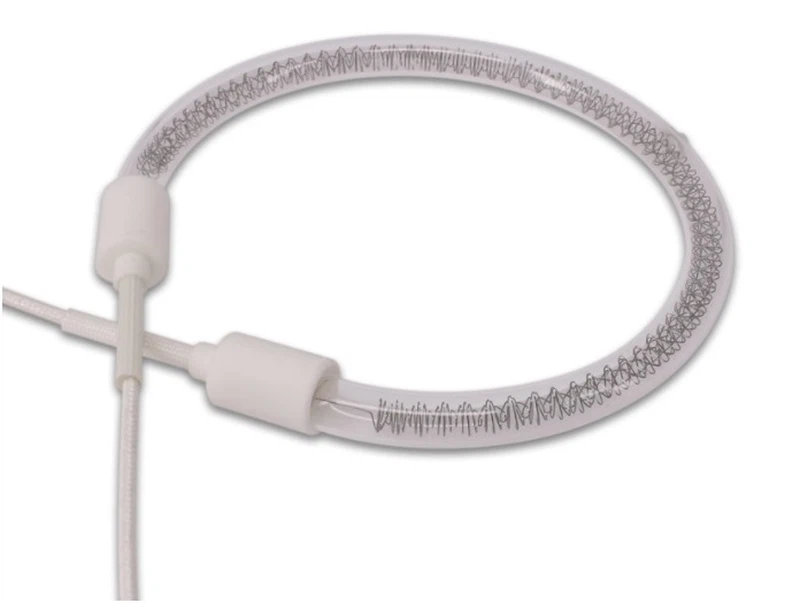
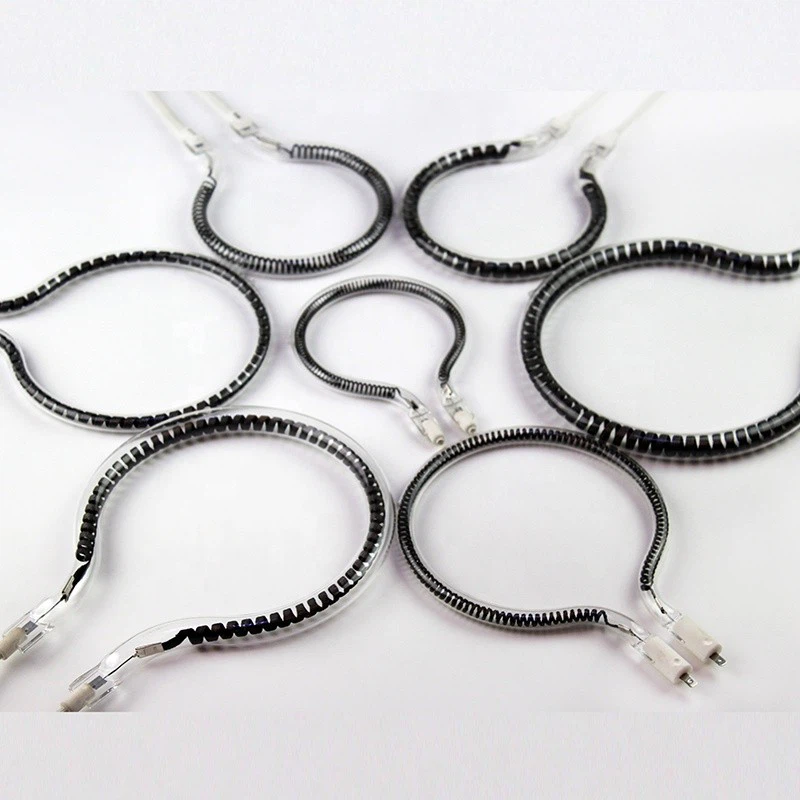
Why the Heater Is Circle-Shaped
A circular or ring-shaped heater is designed to:
- Provide uniform 360° heating
- Match the geometry of round cooking zones or oven chambers
- Concentrate heat toward the center
- Improve temperature consistency
- This shape is especially useful in:
- Convection ovens
- Air fryers
- Pizza ovens
- Infrared grills
- Halogen ovens
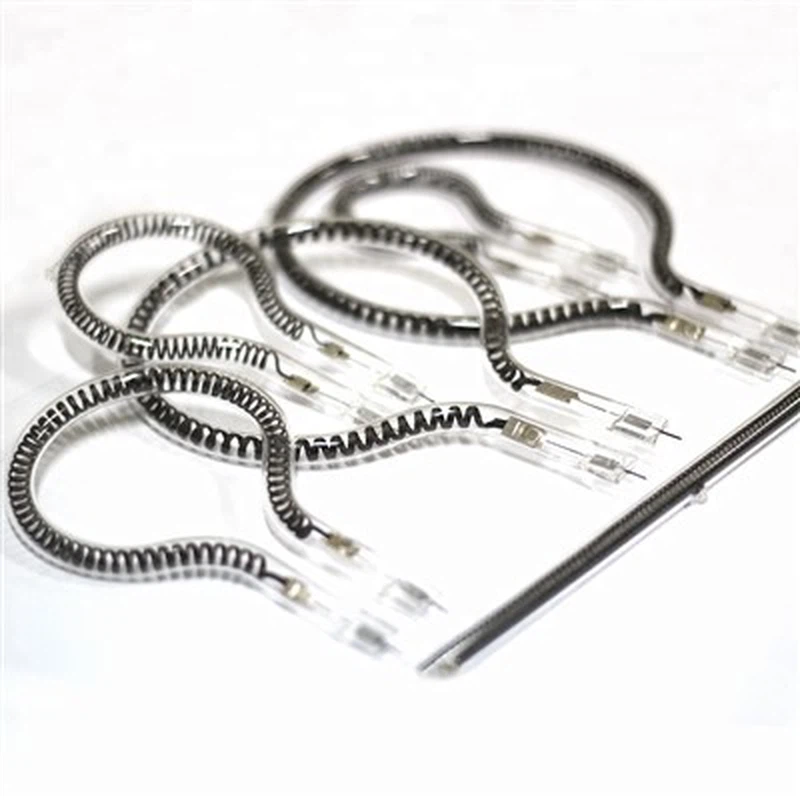
Main Components in an Oven
1. Heating Element
Usually made from:
- Nichrome wire
- Quartz tube
- Ceramic IR emitter
- The element emits medium-wave or short-wave infrared radiation.
2. Reflector
A metallic reflector behind the heater:
- Directs radiation toward food
- Reduces heat loss
- Improves efficiency
3. Fan (in convection ovens)
Some ovens combine IR heating with airflow:
- Fan circulates hot air
- IR provides rapid surface heating
- Combination improves cooking uniformity
Heat Transfer Mechanism
In IR ovens, heating occurs through three mechanisms:
Radiation (main mechanism)
Direct IR absorption by food surface.
Convection
Hot air transfers heat around the chamber.
Conduction
Heat moves inside the food from the hot surface inward.
Example: Pizza Oven
A circular IR heater above the pizza:
- Quickly heats the crust surface
- Creates browning and crispness
- Reduces cooking time
- Produces uniform heating across the pizza
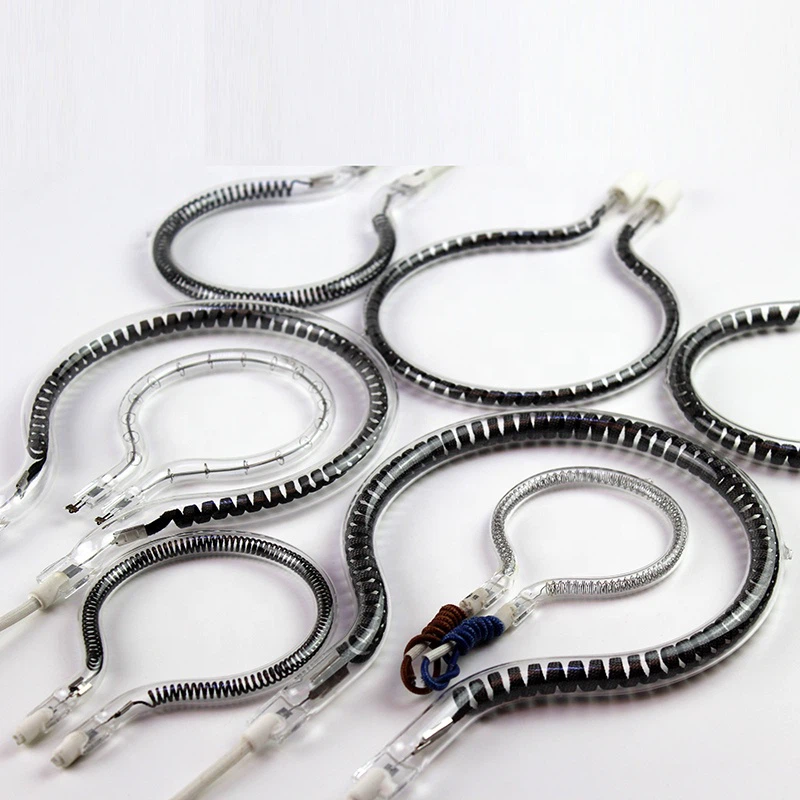
Advantages in Ovens
- Faster heating response
- Energy efficient
- Better browning and crisping
- Uniform heat distribution
- Compact heater arrangement
Typical Temperature Range
Domestic ovens: about 150–300°C
Industrial IR ovens: can exceed 800°C emitter temperature