Ceramic infrared heaters operate by converting electrical energy into infrared radiation, which directly heats objects and surfaces rather than the surrounding air. In HVAC systems, this targeted heating method allows for quick, energy-efficient warmth.
Here's how it works step-by-step:
Electric Current Activation
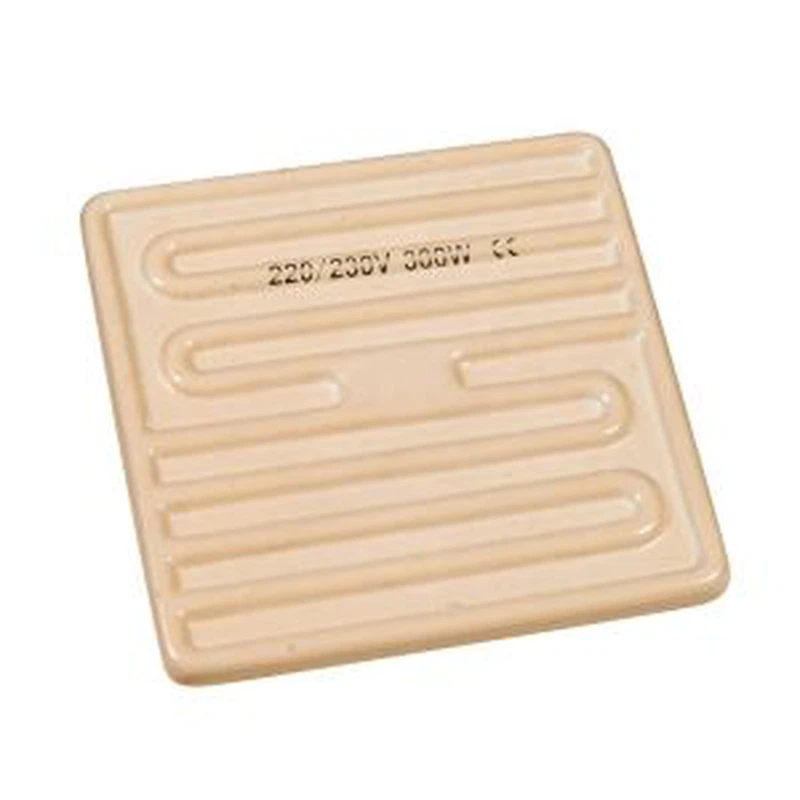
When powered, electricity flows through a resistive heating element embedded in a ceramic plate.
Infrared Radiation Generation
The ceramic material heats up and emits medium to long-wave infrared rays (2–10 µm), which are ideal for gently warming people, floors, walls, and equipment.
Radiant Heat Distribution
Unlike convection heaters that heat air, ceramic infrared heaters radiate heat directly to solid objects. This makes them ideal for duct systems, commercial buildings, or zones requiring consistent, draft-free heat.
Integration in HVAC
These heaters can be mounted inside air ducts, wall-mounted panels, or used in modular HVAC zones, providing silent, low-maintenance, and efficient supplemental heating.
Smart Control
HVAC systems can integrate thermostats or smart controllers with ceramic infrared heaters to precisely regulate heating output, maximizing energy savings and comfort.

This radiant heating principle reduces energy loss, offers consistent temperature control, and ensures quick recovery times-perfect for modern HVAC applications.